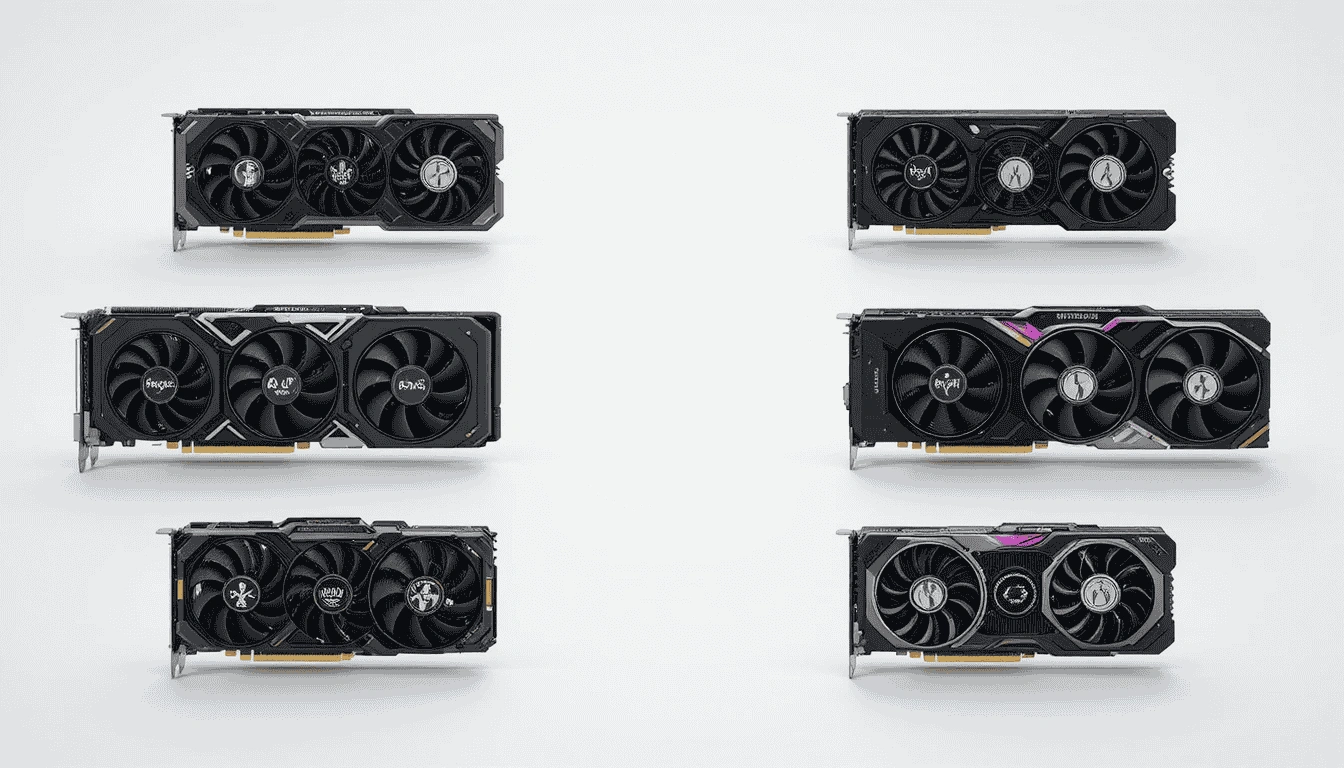
Hardware Focused Blogs for Students | Learning Value, Practical Limits, and Better Decisions
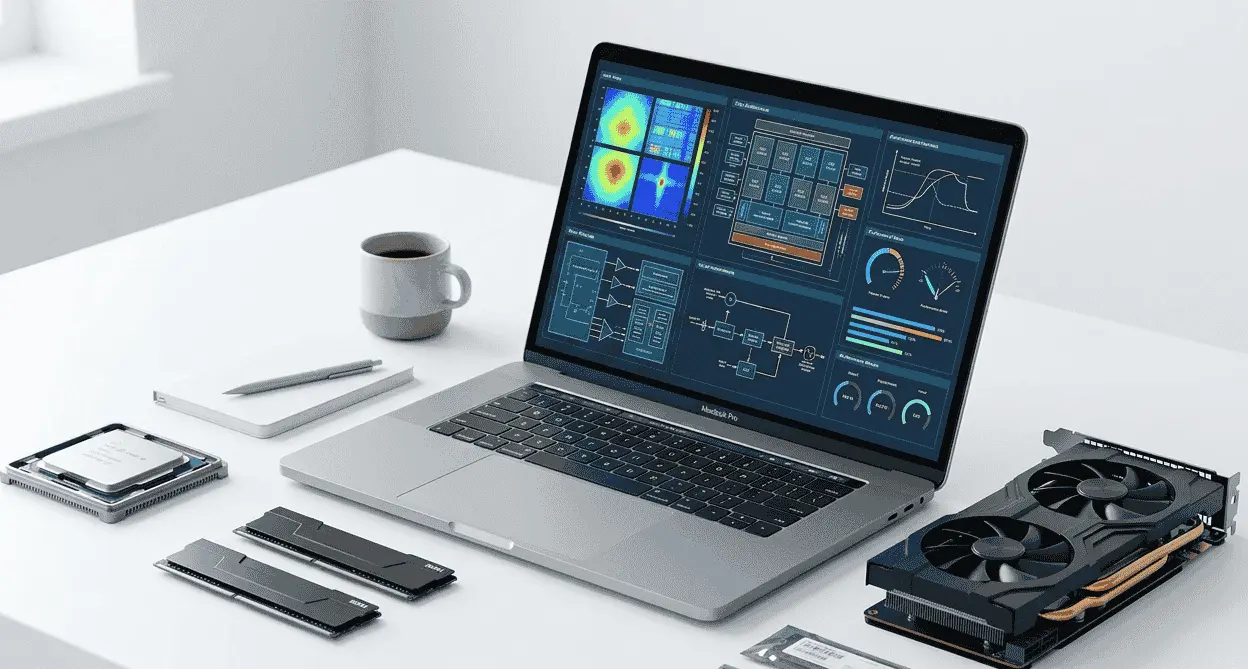
In today’s digital world, learning is no longer limited to textbooks and classroom lectures. Students now rely heavily on online resources to expand their knowledge, explore new ideas, and gain practical insights. While educational websites and academic journals remain important, there is a growing trend among students to turn to unconventional sources, such as hardware focused blogs.
Hardware focused blogs present how components perform outside controlled academic explanations. When a processor such as the Intel Core i7-13700K or the AMD Ryzen 7 5800X is analyzed under sustained load, the discussion extends beyond specifications into measurable behavior, including thermal response, power limits, system bottlenecks, and frequency stability. This type of exposure strengthens understanding by connecting theoretical knowledge to system-level outcomes.
How does a Hardware focused Blogs Knowledge Help in Careers?
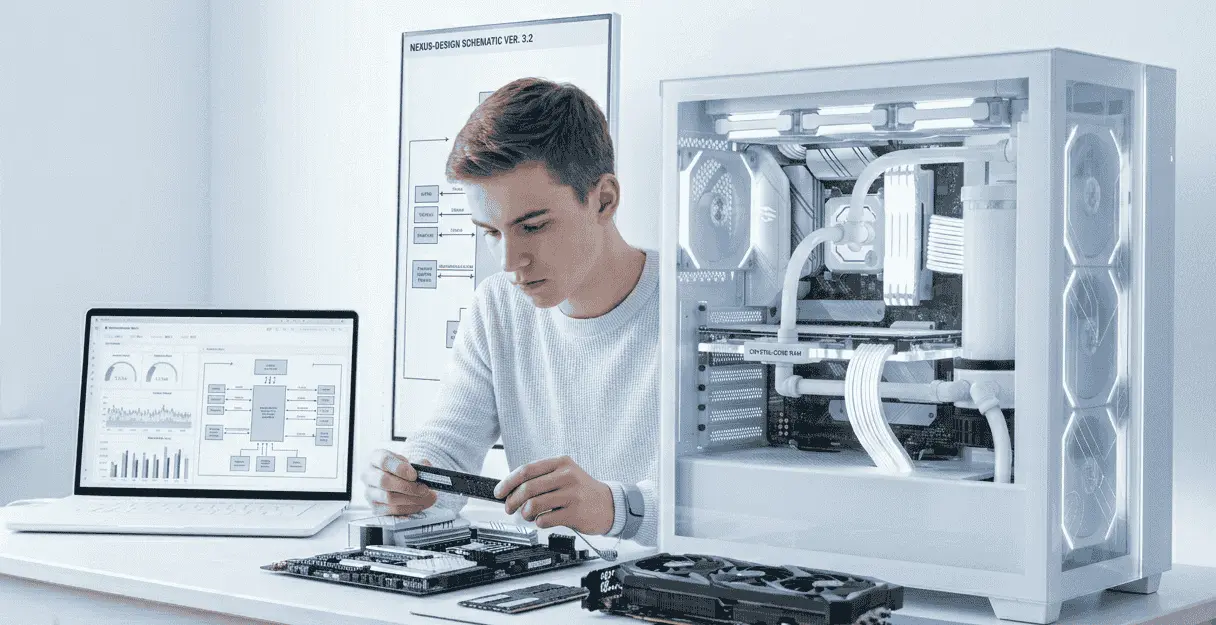
Reading hardware focused blogs does more than just improve basic understanding; it slowly prepares students for real technical work. When someone regularly reads about different components, system behavior, and performance differences, they already become familiar with models, specifications, and how things actually work together. For example, understanding how a graphics card like the NVIDIA GeForce RTX 4070 performs or how storage speed affects system response gives a practical edge that is not always covered in academic material.
This becomes especially useful when students move into a specific field later on, such as joining a computer science degree, an IT-related program, or working in a technical environment. At that stage, they are not starting from zero because they already know many things about hardware, system setup, and performance behavior. This prior exposure makes learning easier, improves confidence, and helps them understand advanced topics more quickly. In simple terms, students who explore these blogs early are already one step ahead when they enter professional or academic fields related to technology.
Evaluating the Credibility of Hardware focused Blogs Writers
Not every hardware focused blogs is written by someone with practical experience or technical understanding. In many cases, content is produced by writers who do not have a background in computing, system building, or performance testing. Instead of working with hardware directly, they collect information from multiple sources or rely on automated tools to generate content without fully understanding the subject. This creates a gap between what is written and how systems actually behave in real conditions.
When such content is published, it may appear structured and informative, but it often lacks depth, accuracy, and practical insight. A writer who has never tested a processor like the Intel Core i5-13400 or evaluated the behavior of a graphics unit such as the NVIDIA GeForce RTX 3060 cannot explain how these components perform under different workloads, configurations, or long-term usage. As a result, the information may be incomplete, generalized, or based on assumptions rather than actual observation.
This becomes a problem when users rely on such content without verification. Trusting a blog simply because it is well-written or easily available can lead to incorrect decisions, especially when the content is not backed by real testing or technical expertise. In contrast, official sources from manufacturers such as Intel, AMD, and NVIDIA provide more reliable information about architecture, specifications, and intended performance behavior because they are directly involved in the design and development of these components.
This does not mean that all independent blogs are unreliable, but it highlights the importance of identifying whether the writer has experience, testing methodology, or technical credibility. Content written with practical exposure reflects a different level of detail compared to content that is compiled without understanding. For this reason, users should avoid relying on random or unverified blog sources and instead combine official documentation, experienced user feedback, and trusted technical analysis before making decisions.
What Students Learn from the Hardware Blog Ecosystem?
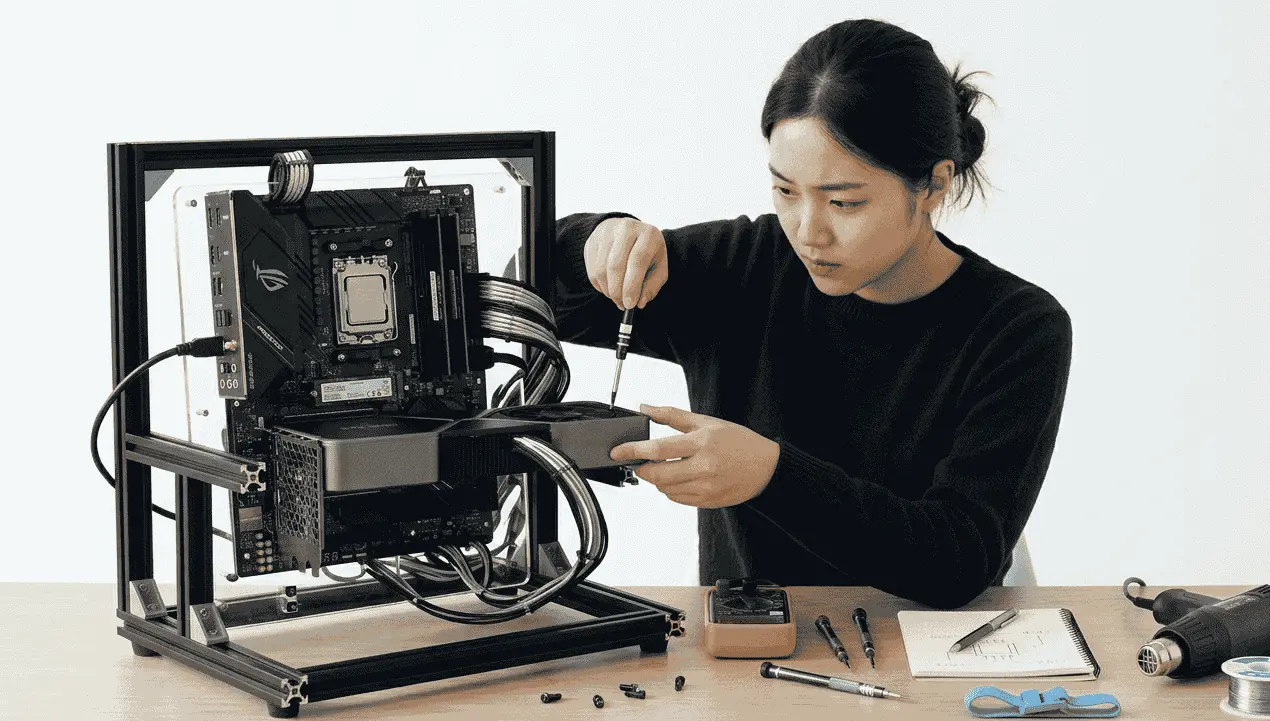
The online ecosystem of hardware focused blogs gives students access to a wide range of practical information about modern technology. When students explore this space, they are not just reading random content; they are learning about new processor architectures, updated memory standards, and the latest storage technologies. They also become familiar with how different components are designed and how they perform in different situations, including real-world applications such as facial recognition systems.
Within this ecosystem, students regularly come across information related to major manufacturers such as Intel, AMD, and NVIDIA. They learn about different models, product series, and how each component is positioned for specific use cases. Over time, they start understanding differences between generations, performance levels, compatibility factors, and how you can fix bottlenecks without upgrading hardware.
Along with this, students are exposed to many technical aspects such as system configuration, component interaction, performance behavior, and upgrade paths. This continuous exposure builds a clear understanding of how modern systems are structured and how different technologies evolve. As a result, students are not limited to theoretical knowledge; they develop a practical awareness of the hardware landscape that helps them understand systems more clearly.
Learning from Different Sources Builds Opportunities
Academic learning provides a basic understanding of systems, but when students start learning from different platforms such as hardware focused blogs and technical analysis websites, their knowledge becomes more complete. They begin to understand not only how components are designed, but also how they perform, how they are used, and how different configurations affect results.
This combined knowledge allows students to move beyond theory. They can start building and managing systems on their own, help others in selecting the right components, and solve common technical problems with confidence. Over time, this understanding can also lead to professional opportunities. Some students use this knowledge to offer technical support, work on system setups, or even build their own small businesses related to PC building, troubleshooting, or consulting.
When learning is not limited to one source, it becomes easier to apply knowledge in practical situations. Students who actively explore and understand these concepts are in a better position to use their skills in meaningful ways instead of only relying on theoretical information.
Understanding How Software Affects Hardware Performance
Many users assume that once they install a powerful component, the system will automatically perform at its best. In practice, that does not happen. I have seen systems where a mid-range setup was performing smoothly just because the drivers and software were properly managed, while a higher-end system was underperforming due to poor configuration.
A graphics card like the NVIDIA GeForce RTX 3060 can deliver stable performance, but only if the drivers are correctly installed and regularly updated. In some cases, a simple driver issue can cause frame drops or instability, even when the hardware itself is fully capable. The same applies to processors, where the operating system, such as Windows 11, controls how tasks are distributed across cores. If the system is not properly optimized, the processor will not be used efficiently.
Another common issue appears when users install heavy software or run multiple background processes without realizing the impact. Even a well-balanced system can slow down because the software layer is not managed properly. These are the situations that are rarely explained in detail in blog benchmarks, but they become obvious when you actually use the system.
Understanding this interaction helps in two ways. It allows users to fix performance issues without immediately blaming the hardware, and it helps them make better decisions when upgrading or configuring a system.
Learning Through Troubleshooting and System Constraints
Hardware focused blogs frequently explore scenarios where systems do not behave as expected. These scenarios include instability caused by thermal limitations, configuration mismatches, and firmware inconsistencies. Exposure to such cases introduces students to diagnostic reasoning. Instead of following predefined solutions, they learn to identify variables, isolate issues, and test possible outcomes. This process builds problem-solving skills that extend beyond theoretical exercises and into practical system management.
Interpreting Visual Data for Deeper Insight
Performance analysis often relies on graphical data such as frame-time consistency, thermal curves, and power consumption trends. These visual representations provide insights that are not immediately visible through numerical summaries. Understanding how to interpret such data allows students to evaluate system performance with greater precision. This skill is essential when analyzing technical reports, whitepapers, and benchmarking results.
Relying on Blog-Based Decisions Before Purchase
A common mistake occurs when users finalize a purchase decision immediately after reading one or two hardware focused blogs without verifying the information through practical exposure. Blog content explains performance under controlled conditions, but it does not account for individual usage patterns, system combinations, or long-term stability.
When a user selects a component such as the AMD Ryzen 5 5600X or the NVIDIA GeForce RTX 3060 based only on written analysis, the expectation is built around benchmark results rather than actual workload requirements. This often leads to mismatched performance when the system is used for gaming, multitasking, or software-specific tasks.
Another issue appears when compatibility assumptions are made without verification. Blog comparisons may not reflect how a component behaves with a specific motherboard, RAM configuration, or power supply, which can result in instability or underperformance after purchase. Users also face thermal and noise-related concerns that are not always experienced in the same way as described in reviews, especially when cooling solutions differ from those used in testing environments.
A frequent problem is overestimating performance consistency. A component that performs well in short benchmark runs may behave differently during extended usage sessions, which becomes noticeable only after personal use. In addition, users often overlook driver behavior and software optimization, which can significantly affect performance when running real applications or games.
Another limitation is the absence of long-term user experience in most blog content. Practical issues such as durability, maintenance requirements, and gradual performance degradation are rarely covered in detail. Users who rely only on blogs miss the insights that come from individuals who have used the same component over time.
The most significant drawback is decision regret after purchase. When a system does not perform as expected, users realize that direct testing or feedback from experienced users could have provided more accurate guidance. Taking reviews from actual users who have worked with the component in similar conditions offers a clearer understanding than relying only on structured blog analysis.
Enhancing Education with External Resources
In the middle of their academic journey, students at an Adventist University can benefit greatly from integrating these non-traditional resources into their learning process. While structured education provides a strong foundation, external content like hardware focused blogs adds depth and real-world context. This combination creates a more balanced and enriched learning experience that prepares students for practical challenges.
Conclusion
The analysis presented in this blog is intended to clarify how hardware focused blogs should be used when evaluating technical products and making purchase decisions. It is valid to rely on blogs for understanding specifications, compatibility, and general performance expectations of components such as processors and graphics units.
Many users already depend on such platforms because they provide detailed breakdowns of models like the Intel Core i7-13700K or the NVIDIA GeForce RTX 4070, and this information helps in building initial awareness. However, treating blog content as a complete and fully accurate representation of performance is not a reliable approach.
Hardware analysis published online is conducted under specific conditions, which may not match the environment in which a personal system operates. Factors such as usage patterns, surrounding temperature, component pairing, and system configuration influence actual performance outcomes. For this reason, reading a single blog or even multiple reviews on platforms does not provide enough certainty to finalize a purchase decision. The information should be treated as a reference point rather than a final judgment.
A more practical approach involves combining informational research with direct evaluation. Visiting the market, physically inspecting components, discussing configurations with experienced sellers, and, where possible, observing systems in operation provides a clearer understanding than relying only on written analysis. Whether a user is planning a custom build or selecting a specific component, direct interaction helps identify details that are not always covered in online content.
This blog has outlined both the strengths and the limitations of hardware focused blogs. These platforms are useful for building technical understanding, identifying component roles, and comparing available options.
At the same time, they can create misleading assumptions if their data is accepted without verification. A balanced approach, where blog-based learning is supported by practical evaluation, leads to more accurate decisions and a stronger understanding of system behavior.