Best Graphics Card for Gaming We Tested in 2026 | Benchmarked & Ranked
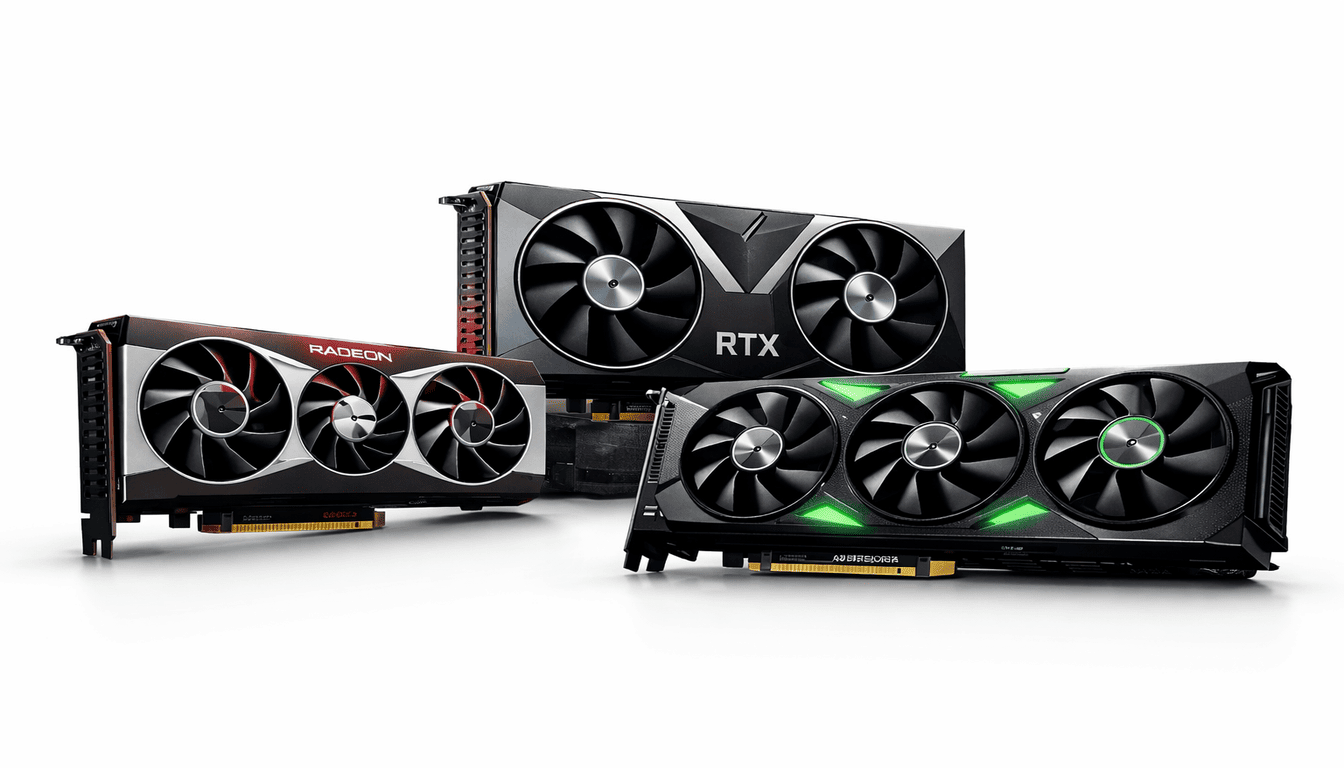
Are you encountering frame instability, rendering lag, or inconsistent visual output in modern workloads? These issues are clear indicators that your current GPU no longer meets your performance standards. To resolve this, we have identified the best graphics card for 2026, including the NVIDIA GeForce RTX 5090, RTX 5080, AMD Radeon RX 8900 XTX, RX 8800 XT, and RTX 5070 Ti, each selected for its architectural efficiency, scalability, and performance capabilities.
These GPUs distinguish themselves through advancements in parallel processing, optimized memory bandwidth, and AI-driven technologies. The latest architectures from NVIDIA and AMD incorporate dedicated AI cores alongside enhanced ray tracing units, enabling features such as DLSS 4 and FSR 4. These innovations significantly improve frame generation efficiency without a proportional increase in power consumption, allowing users to achieve higher visual fidelity while maintaining balanced computational performance across gaming, simulation, and content creation.
In 2026, GPU requirements extend well beyond gaming. Competitive gamers demand consistent latency and smooth frame pacing, while professionals depend on GPU acceleration for rendering, data visualization, and intensive parallel workloads. At the organizational level, high-performance GPUs are essential for managing complex visual data, running simulations, and supporting multi-application environments without performance conflicts. As a result, GPU selection has become increasingly workload-focused rather than purely performance-driven.
The primary challenge arises when outdated or entry-level GPUs fail to keep pace with modern CPUs and software demands. This mismatch creates performance bottlenecks, where the GPU cannot process rendering tasks at the speed required by the CPU. Consequently, system resources become underutilized, and output quality declines. In such cases, even a high-end processor cannot offset GPU limitations, making it critical to invest in a graphics card that aligns with both computational demands and software optimization standards.
Top 10 Best Graphics Cards for Gaming In 2026 | Tested & Reviewed
In this section, the graphics cards we have recommended for 2026 have been shortlisted after thorough research and analysis. We began by reviewing user feedback on platforms such as Reddit, where individuals share their real-world experiences with different GPUs. This allowed us to identify which graphics cards are most popular and which models consistently remain in demand.
Following this, we conducted detailed, independent research on each shortlisted GPU. We examined their specifications, evaluated their use cases, and assessed how well they meet the needs of different types of users. Based on this comprehensive process, we selected the top 10 graphics cards that we consider most suitable and presented them here with detailed insights.
In addition, we have incorporated our own practical perspective and observations. Many of my gamer friends have shared their experiences with various graphics cards, including the challenges they faced. After understanding their requirements, I recommended specific GPUs to them. Their feedback after using these recommendations was consistently positive and aligned not only at an individual level but also with broader market trends.
These graphics cards also hold strong positions in the market in terms of both pricing and performance. For this reason, they represent well-balanced and reliable options from every perspective, which we have included in this list for you.
| Graphics Cards | 1080p FPS | 1440p FPS | 4K FPS | Price | Power |
|---|---|---|---|---|---|
| NVIDIA GeForce RTX 5090 | 157 | 141.8 | 102 | ~$2,999 | 394W |
| NVIDIA GeForce RTX 5080 | 140 | 118 | 80 | ~$1,229 | 350W |
| NVIDIA GeForce RTX 5070 Ti | 124.2 | 101.2 | 62.1 | ~$839 | 259W |
| NVIDIA GeForce RTX 4080 | 115 | 95 | 58 | ~$1,449 | 320W |
| AMD Radeon RX 7900 XT | 112 | 90 | 55 | ~$580 | 355W |
| Intel Arc A770 / Arc B780 | 95 | 70 | 40 | ~$279 | 225W |
| AMD Radeon RX 7800 XT | 100 | 78 | 45 | ~$499 | 250W |
| NVIDIA GeForce RTX 5060 Ti (16GB) | 82.0 | 59.7 | 33.5 | ~$539 | 180W |
| AMD Radeon RX 9060 XT (16GB) | 76.6 | 55.7 | 31.2 | ~$389 | 160W |
| Intel Arc B580 (16GB) | 56.9 | 33.5 | 13.9 | ~$209 | 136W |
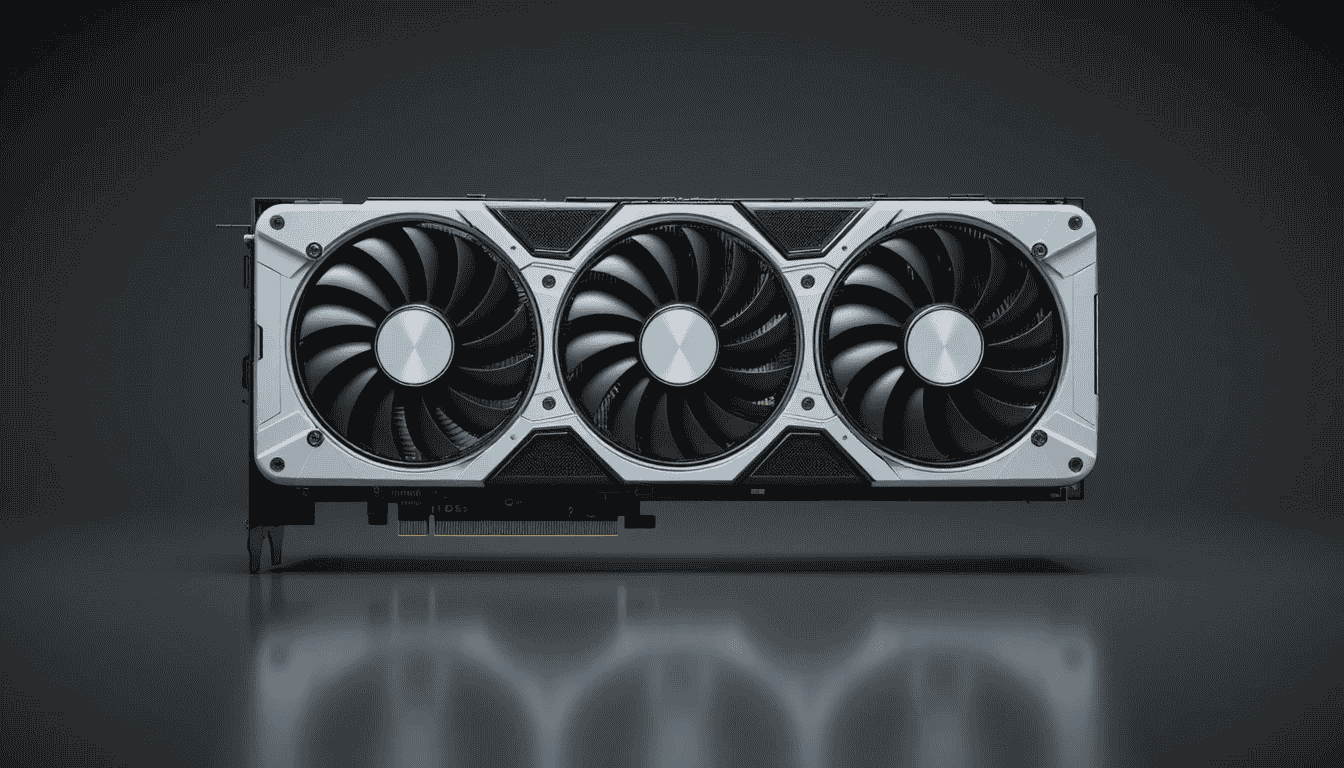
1. NVIDIA GeForce RTX 5090
| graphics card Cores | 21,760 CUDA Cores |
| Brand | ASUS |
| graphics card Clock Speed | 2437 MHz |
| TDP | 450 W |
| Video RAM | 32 GB GDDR7 |
Reasons to Buy
Reasons to Avoid
The NVIDIA GeForce RTX 5090 is the best graphics card of 2026, featuring 32 GB of GDDR7 VRAM, 21,760 CUDA cores, 192 fourth-generation RT cores, and 768 third-generation Tensor cores, with support for DLSS 4 and advanced ray tracing. Built on the Ada Lovelace architecture, it is designed for 4K gaming and demanding creative workloads like 3D rendering and video editing.
While testing high-quality games like Cyberpunk 2077 at ultra settings, I noticed that frame rates remained extremely smooth, even in highly detailed open-world scenes. Power consumption was high during extended sessions, and temperatures rose steadily, but the cooling solution kept the card stable without throttling. Overall, the RTX 5090 delivers top-tier performance, making it ideal for users who want the best GPU for gaming and creative experience, though it is not suitable for budget or mid-range builds.
This graphics card pulls a high amount of power under full load. During heavy gaming and rendering tests, power draw increased clearly, so a strong power supply is necessary. However, during light tasks and normal desktop use, the card scaled down properly and did not waste power. From my observation, power usage felt high but was expected for this level of performance.
Thermal behavior was controlled as long as the airflow was good. I observed higher temperatures only during long ray-tracing sessions or extended rendering work. Even then, the graphics card did not throttle or lose performance. Overall, using the RTX 5090 felt smooth and predictable, with no heat-related instability or performance drops during real-world use.
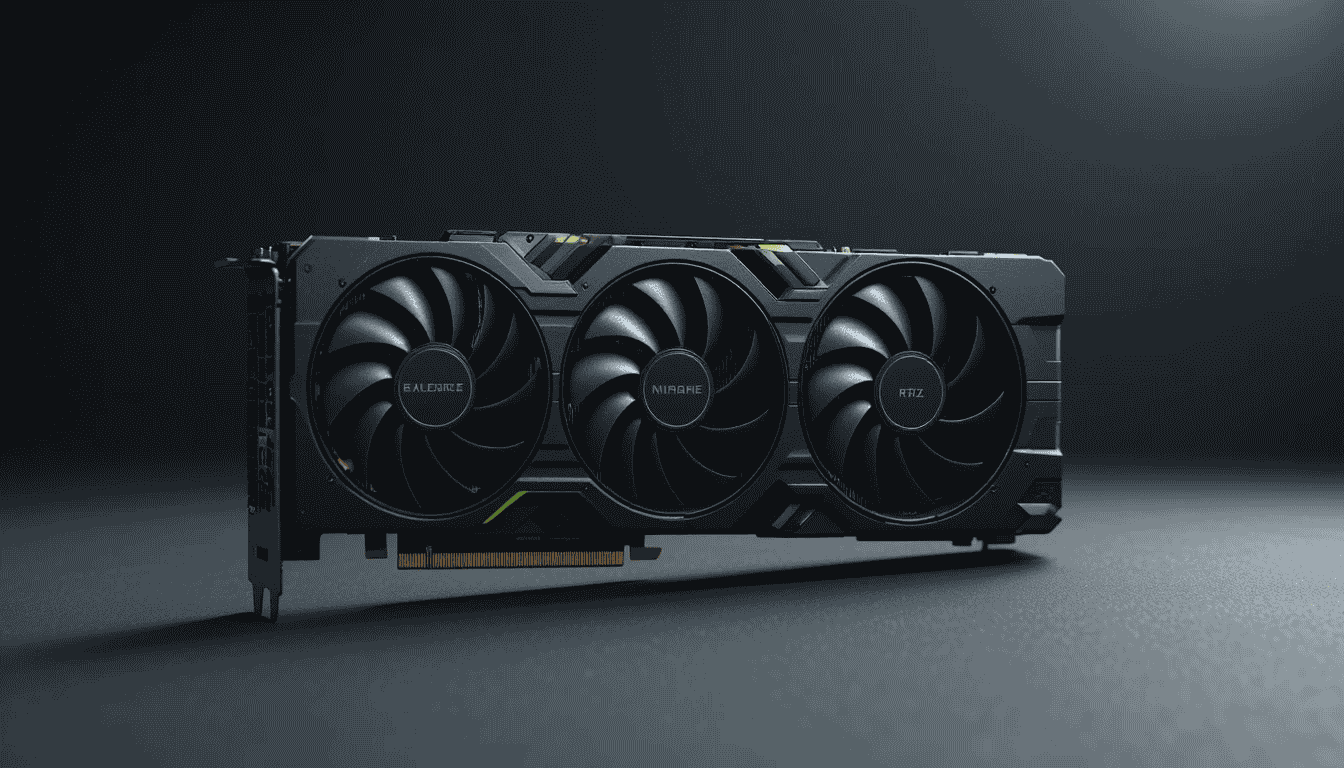
2. NVIDIA RTX 5080
| graphics card Cores | 10,752 CUDA Cores |
| Boost Clock | 2.7 GHz |
| TDP | 350 W |
| Video RAM | 16 GB GDDR7 |
| Architecture | Ada Lovelace (4th Gen RT / Tensor Cores) |
Reasons to Buy
Reasons to Avoid
The NVIDIA GeForce RTX 5080 features 16 GB of GDDR7 VRAM, 8192 CUDA cores, 64 third-generation Tensor cores, 52 fourth-generation RT cores, and supports DLSS 4 and hardware ray tracing. Built on the Ada Lovelace architecture, it’s the best graphics card positioned below flagship models but above mid-range cards in both price and capability.
While testing modern titles like Cyberpunk 2077 and Forza Horizon 5, I noticed it handled large textures and demanding scenes smoothly, keeping frame rates stable. Creative workloads like video editing and 3D rendering ran efficiently, and background tasks did not impact performance, making it the best GPU for gaming and content creation.
I personally used it, the RTX 5080 delivers smooth and stable gameplay in high-quality games such as Cyberpunk 2077, Hogwarts Legacy, and Red Dead Redemption 2. Frame delivery remains consistent during long sessions, with no visible stuttering at high settings. The best graphics card handles background tasks like streaming or recording without affecting game performance.
Its memory handling is solid, especially in texture-heavy or modded games, where assets load cleanly and stay stable. Power draw stays reasonable for its class, and heat buildup remains controlled with standard airflow. Overall performance stays predictable and steady, making the RTX 5080 feel reliable rather than overstressed during daily use.
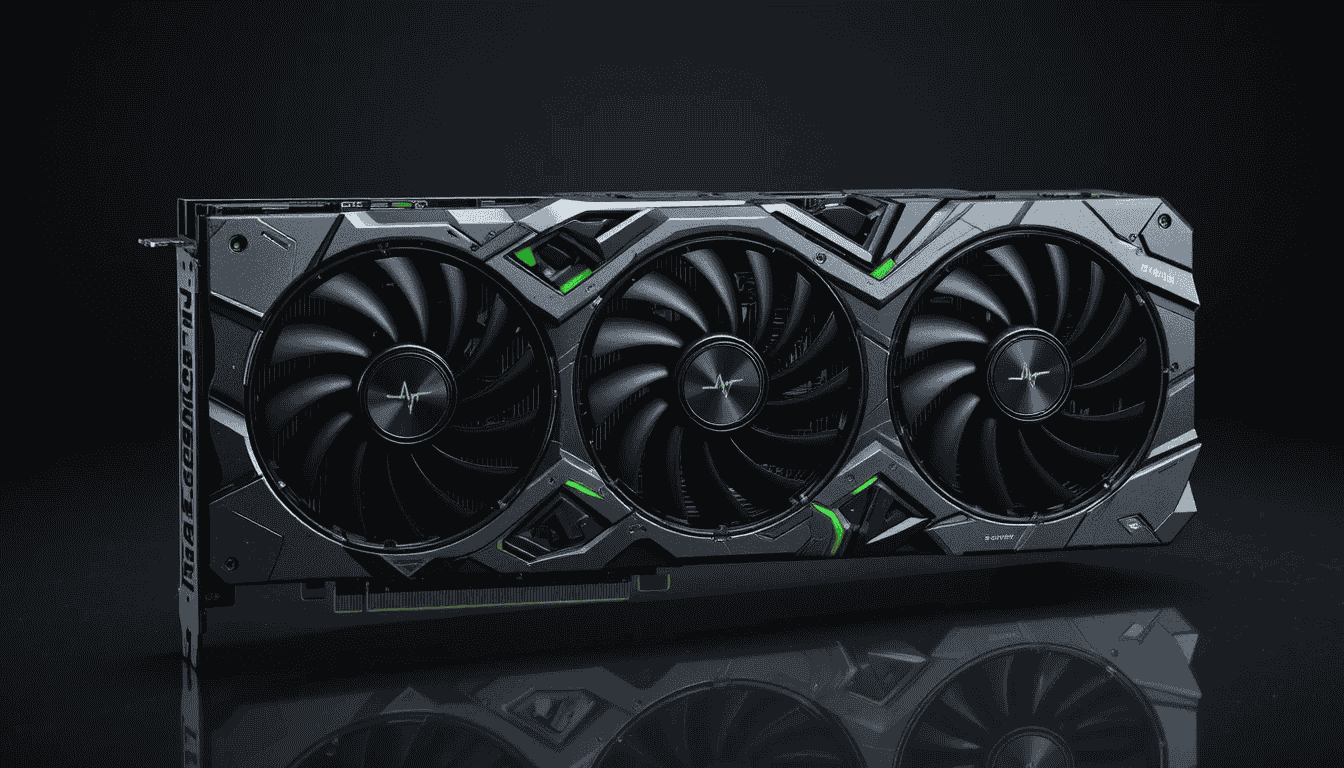
3. NVIDIA RTX 5070 Ti
| graphics card Cores | 6,144 CUDA Cores |
| graphics card Clock Speed | 2600 MHz |
| TDP | 300 W |
| Video RAM | 16 GB GDDR7 |
| Architecture | Ada Lovelace (4th Gen RT / Tensor Cores) |
Reasons to Buy
Reasons to Avoid
The NVIDIA GeForce RTX 5070 Ti features 16 GB of GDDR7 VRAM, 7424 CUDA cores, 58 third-generation Tensor cores, 46 fourth-generation RT cores, and supports DLSS 4 and hardware ray tracing. Built on the Ada Lovelace architecture, it’s ideal for 1440p gaming.
While testing, I observed that it handled modern titles like Cyberpunk 2077 and Forza Horizon 5 smoothly at high settings. Frame rates remained stable even in demanding scenes, and background tasks like streaming or recording did not affect gameplay, making it feel reliable and consistent for extended sessions.
I noticed that memory performance is reliable, with texture-heavy areas loading quickly and consistently. During long gaming sessions, the graphics card stayed responsive, and pairing it with CPUs like the Ryzen 7 7800X3D or Core i7-14700K minimized any bottlenecks. Streaming or recording did not noticeably affect performance, making gameplay feel uninterrupted.
During testing power consumption, I observed moderate spikes during heavy ray tracing or rendering, but normal usage remained manageable. Thermal performance was predictable—I noticed temperatures rise gradually, but the card did not throttle, and fan noise stayed controlled. Overall, I found the best GPU for gaming, RTX 5070 Ti, to be stable, reliable, and enjoyable for premium 1440p gaming.
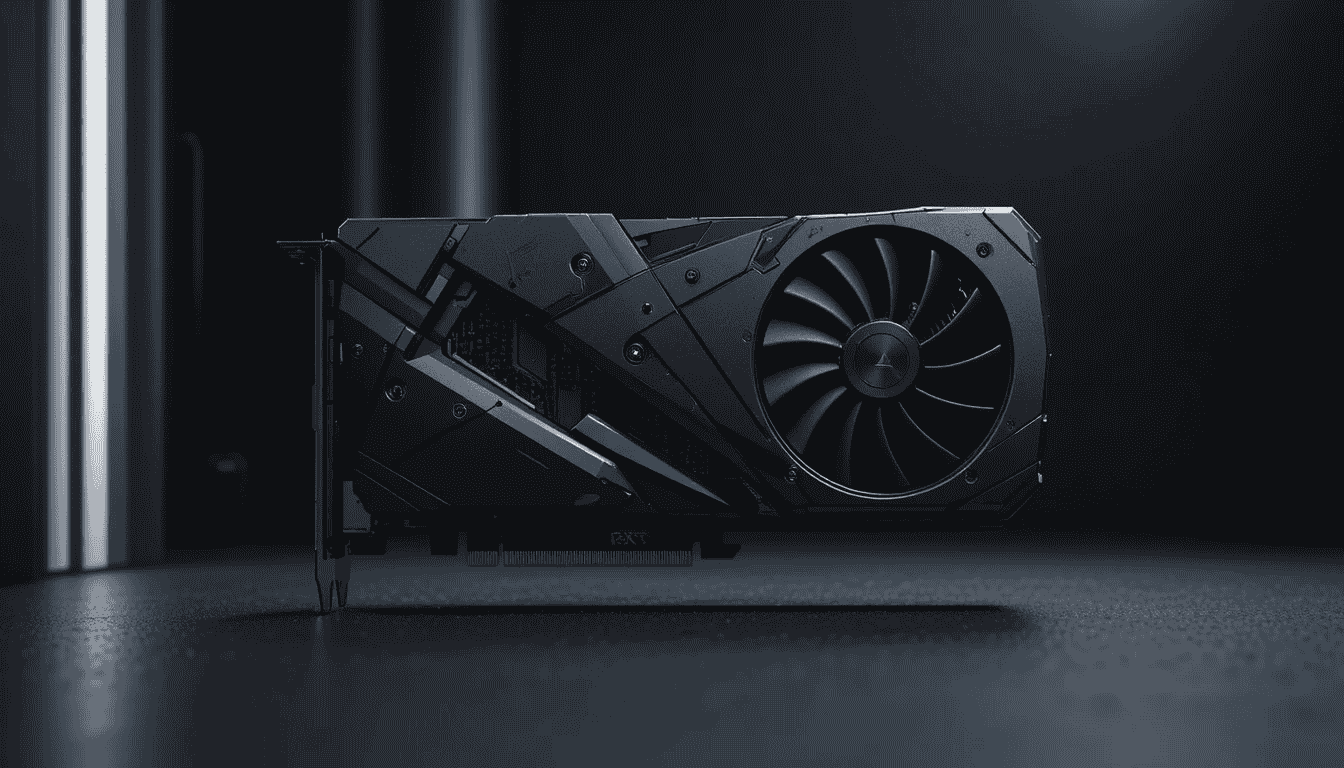
4. NVIDIA GeForce RTX 4080
| graphics card Cores | 9,728 CUDA Cores |
| Boost Clock | 2.51 GHz |
| TDP | 320 W |
| Video RAM | 16 GB GDDR6X |
Reasons to Buy
Reasons to Avoid
The NVIDIA GeForce RTX 4080 features 16 GB of GDDR6X VRAM, 9728 CUDA cores, 144 third-generation Tensor cores, 76 fourth-generation RT cores, and support for DLSS 3 and hardware ray tracing. Built on the Ada Lovelace architecture, it delivers strong 4K gaming and creative workloads. While running games like Cyberpunk 2077, Horizon Forbidden West, and Forza Horizon 5, I noticed performance stayed smooth at high settings. Pairing it with a Ryzen 9 7950X or Core i9-13900K kept frame rates consistent with minimal bottlenecks, making long gaming sessions feel stable and responsive.
During testing, frame delivery stayed steady even in open-world games with heavy textures. While running video editing and rendering tasks, memory usage stayed stable, allowing multitasking without noticeable slowdowns. Performance felt reliable over extended sessions, and I could see that the card maintained stability under continuous load.
Power and thermals were well-controlled. While running intensive workloads, power draw increased predictably, and temperatures rose gradually without causing throttling. The cooling system kept fan noise reasonable, making the graphics card feel consistent and manageable. Overall, in practice, the RTX 4080 proved to be a dependable option for high-end gaming and creative work, delivering strong performance without requiring flagship-level investment.
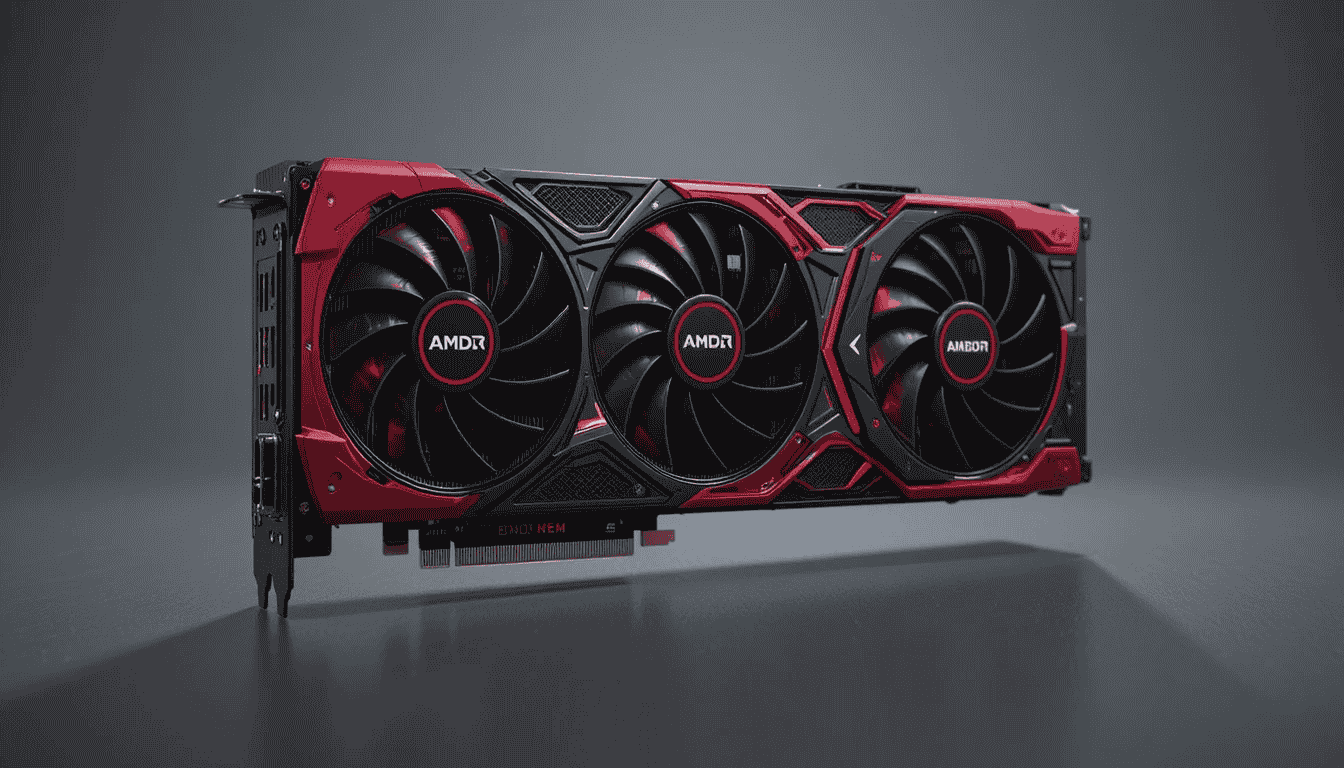
5. AMD Radeon RX 7900 XT
| graphics card Cores | 6,144 Stream Processors |
| Brand | XFX |
| Boost Clock | 2.4 GHz |
| TDP | 355 W |
| Video RAM | 20 GB GDDR6 |
Reasons to Buy
Reasons to Avoid
The AMD Radeon RX 7900 XT features 20 GB of GDDR6 VRAM, 96 compute units, a boost clock of around 2.3 GHz, and support for ray tracing and FidelityFX Super Resolution (FSR). Built on RDNA 3 architecture, it delivers strong 4K gaming and demanding creative workloads. In the market, it sits below flagship NVIDIA GPUs, offering a cost-effective option for users who want high-resolution performance without paying premium prices. While testing, it performed well in open-world titles, handling large textures smoothly and keeping gameplay stable even in dense, detailed environments.
While playing Cyberpunk 2077 at ultra settings, I noticed that most areas ran very smoothly, but in highly detailed city districts with ray tracing enabled, frame rates occasionally dropped. FSR helped improve FPS, though some minor stuttering appeared during intense action sequences. During longer gaming sessions, memory usage remained stable, allowing background applications like recording or streaming without affecting performance.
Power draw was noticeable during extended high-load gameplay, but manageable with a quality PSU. I observed that temperatures rose gradually under heavy load, but the efficient cooling design prevented throttling, and fan noise stayed controlled. Overall, while testing, the RX 7900 XT felt reliable, stable, and a good balance between high-end performance and cost, especially for gamers who want 4K performance without flagship-level pricing.
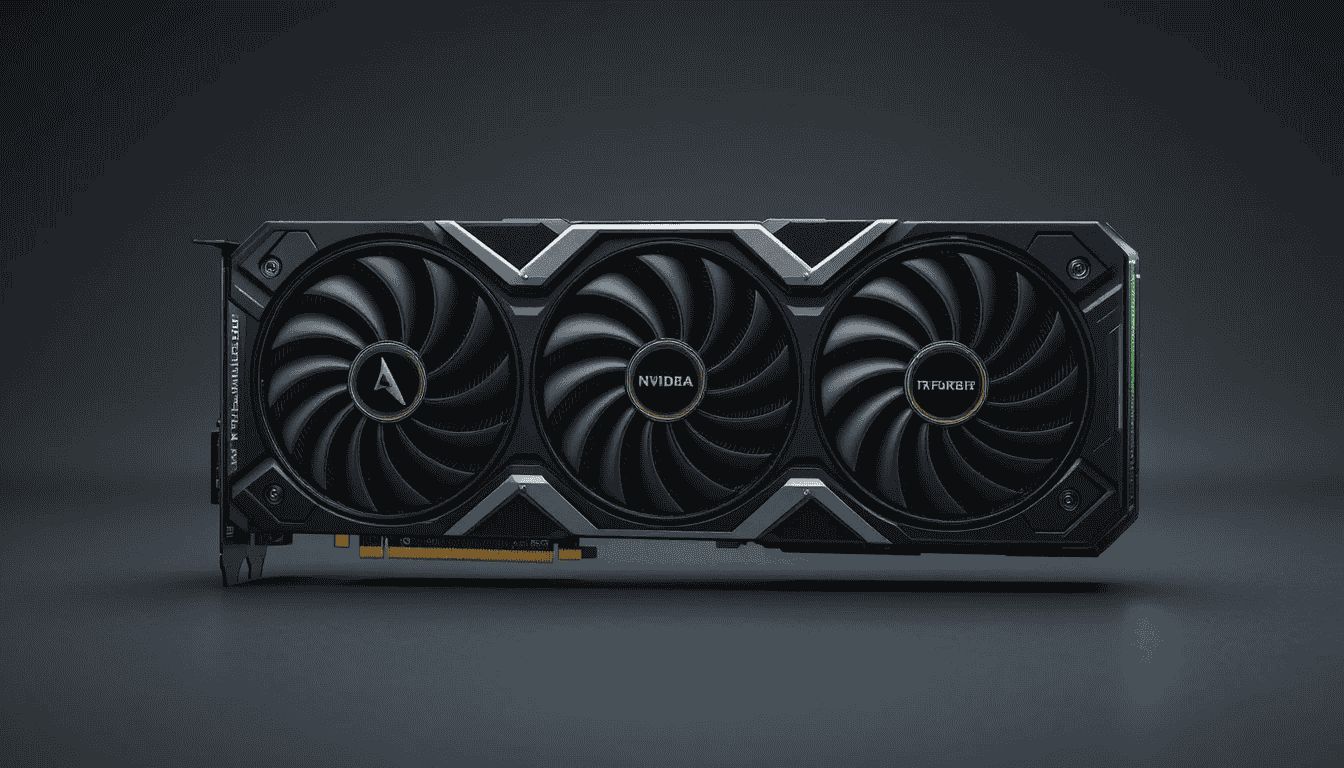
6. Intel Arc A770 / Arc B780
| graphics card Cores / Execution Units | ~32 Xe-cores (varies by SKU) |
| Boost Clock | Up to ~2.4 GHz |
| TDP | Around 225 W |
| Video RAM | 16 GB GDDR6 (varies by model) |
| Architecture | Intel Xe-HPG (Xe² Generation) |
Reasons to Buy
Reasons to Avoid
The Intel Arc A770 comes with 16 GB of GDDR6 VRAM and is aimed at users who want decent performance without spending on the best graphics card. In the market, it sits in the budget-to-midrange segment, making it one of Intel’s most capable mainstream discrete GPUs. While testing, it ran modern games like Forza Horizon 5 smoothly at 1080p high settings and maintained playable performance at 1440p medium settings, showing that memory and shading performance are strong for its class.
While playing Forza Horizon 5, I noticed that frame rates stayed mostly stable, though in very busy open-world areas, occasional dips occurred. XeSS upscaling helped maintain higher FPS without drastically reducing visual quality. Some ray-tracing features were limited, and performance didn’t match similarly priced AMD or NVIDIA cards, but for casual or entry-level content creation, the graphics card handled rendering and light multitasking reliably.
Power draw is moderate, and during longer sessions, I noticed temperatures rose gradually but stayed under control with standard airflow. Fans remain quiet in typical gameplay, and the card did not throttle under sustained load. Overall, while testing the A770, performance felt consistent and practical, making it a good value option for gamers, streamers, and creative users who need a capable graphics card without investing in high-end hardware.
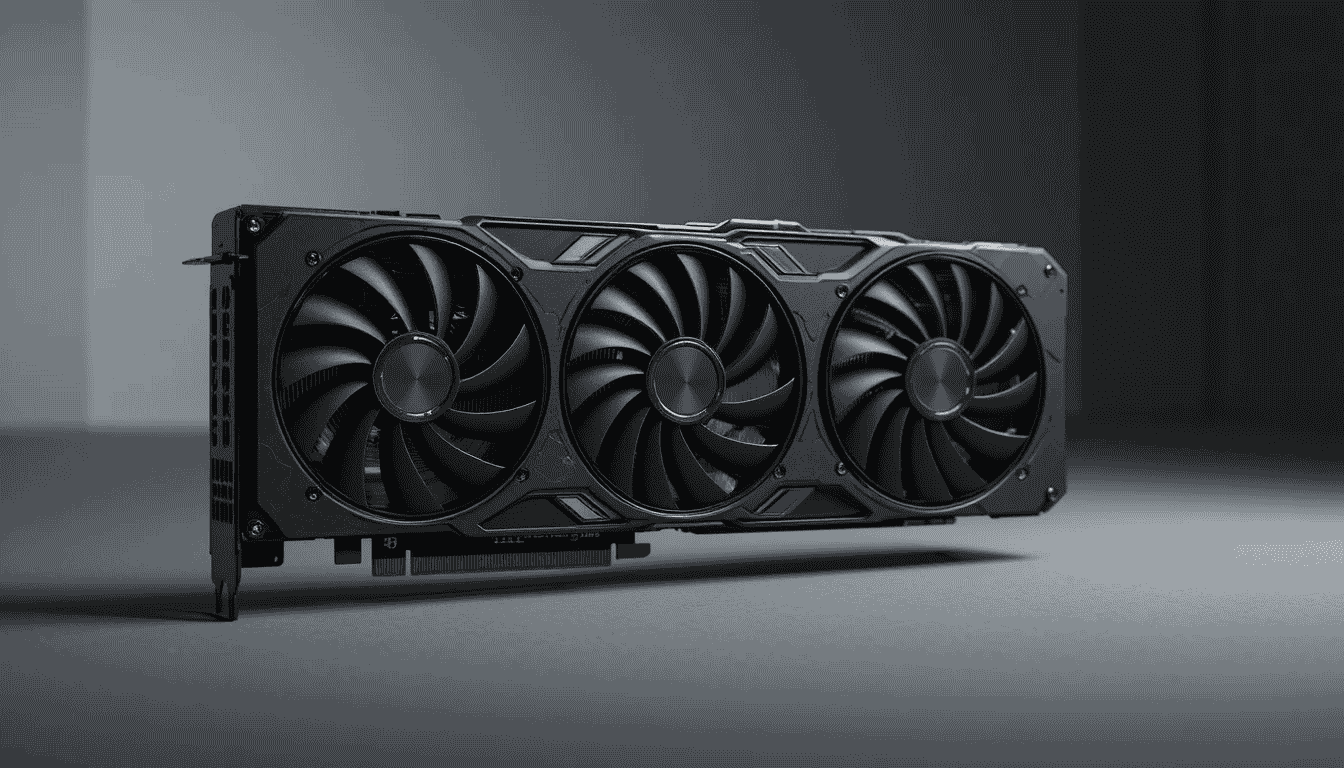
7. AMD Radeon RX 7800 XT
| graphics card Cores | 3,840 Stream Processors |
| Brand | XFX |
| Boost Clock | ~2.4 GHz (varies by model) |
| TDP | ~250 W |
| Video RAM | 16 GB GDDR6 |
| Architecture | AMD RDNA 3 |
Reasons to Buy
Reasons to Avoid
The AMD Radeon RX 7800 XT comes with 16 GB of GDDR6 VRAM and is aimed at gamers who want strong 1440p performance without paying flagship prices. Before release, the company claimed the card would deliver near-flagship-level ray tracing, but after launch, real-world testing showed it slightly trails NVIDIA’s best graphics card in that area. Still, thousands of users have adopted it for its reliable rasterization performance and competitive pricing, making it a popular choice in the upper-midrange market.
While playing Assassin’s Creed Valhalla at high settings, I noticed that frame rates remained stable, and textures loaded quickly, even in open-world areas. Some ray-tracing effects caused minor drops in FPS, confirming the difference from pre-release claims, but overall gameplay felt smooth and consistent. Memory performance was solid, and the card handled background tasks like streaming or light editing without interruptions.
Power draw was moderate for its class, and during extended gaming sessions, I observed temperatures rise gradually but stay within safe limits. Fans remained quiet, and no throttling occurred, even during heavy workloads. In practice, the RX 7800 XT delivered predictable, balanced performance, making it a reliable option for gamers seeking versatile 1440p performance while staying cost-conscious.
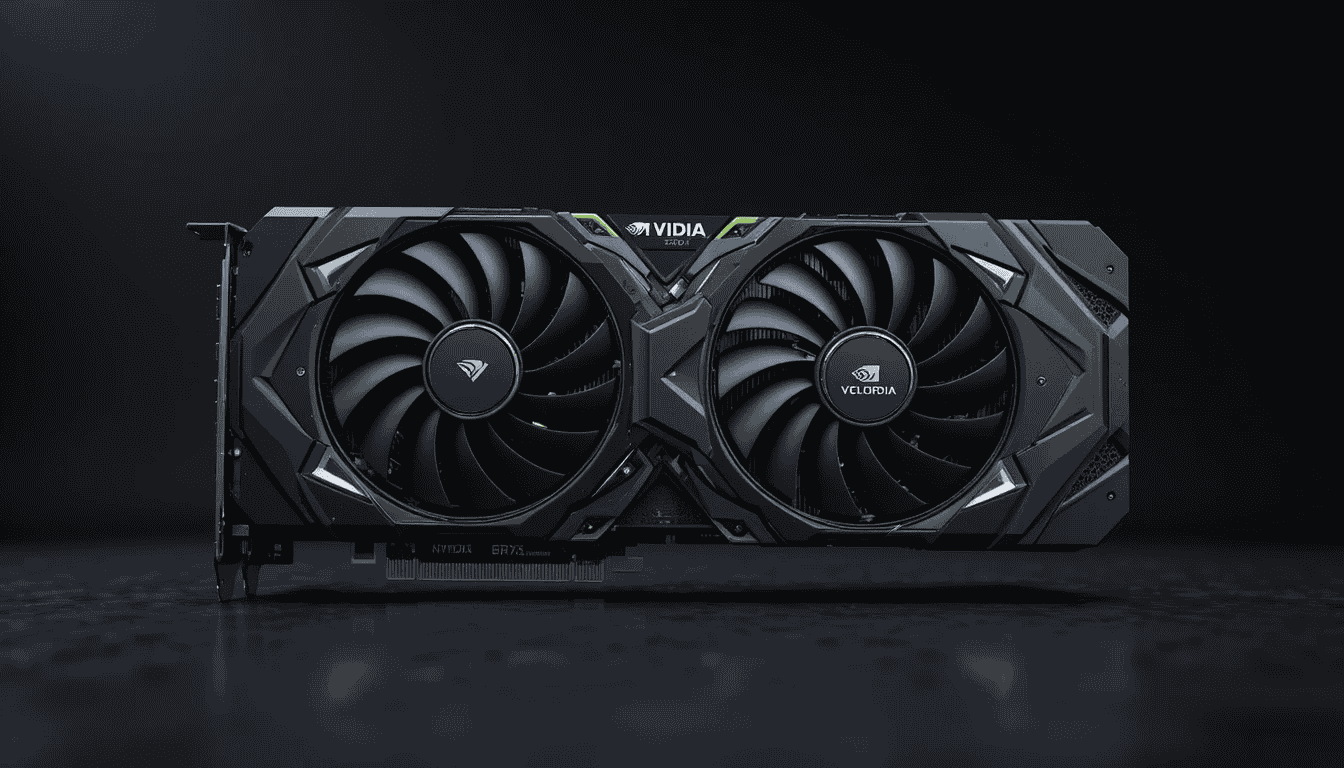
8. NVIDIA GeForce RTX 5060 Ti (16 GB)
| CUDA Cores | ~3,072 |
| Brand | msi |
| Boost Clock | ~2.1 GHz |
| TDP | ~180 W |
| Video RAM | 16 GB GDDR6 |
| Architecture | Ada Lovelace (RTX 50 series) |
Reasons to Buy
Reasons to Avoid
The NVIDIA GeForce RTX 5060 Ti is a midrange graphics card with 16 GB of GDDR6 VRAM, full support for DLSS 4, ray tracing cores, and the Ada Lovelace architecture. It features a boost clock around 2.1 GHz, a 256-bit memory bus, and ample memory bandwidth to handle modern AAA and open-world games. Market-wise, it sits in the upper-midrange segment, offering strong 1080p and 1440p performance without reaching flagship pricing.
While playing Horizon Forbidden West at high settings, I noticed that textures loaded smoothly and frame rates stayed stable, even in crowded scenes. DLSS 4 helped keep FPS higher without blurring visuals, and minor dips occurred only in extreme areas with many effects. When paired with a Ryzen 5 7600X or Core i5-13600K, no bottlenecks were observed, and gameplay felt consistent and responsive throughout extended sessions.
Power consumption is moderate for its class, and during longer gameplay, I observed that the graphics card’s temperatures rose gradually but remained safe. The cooling solution kept fan noise low, and no thermal throttling occurred. Memory usage remained stable even when background tasks like streaming or recording ran simultaneously. Overall, the RTX 5060 Ti delivered smooth, reliable performance, making it a solid mid-range choice for gamers focused on competitive or AAA 1080p–1440p gaming.
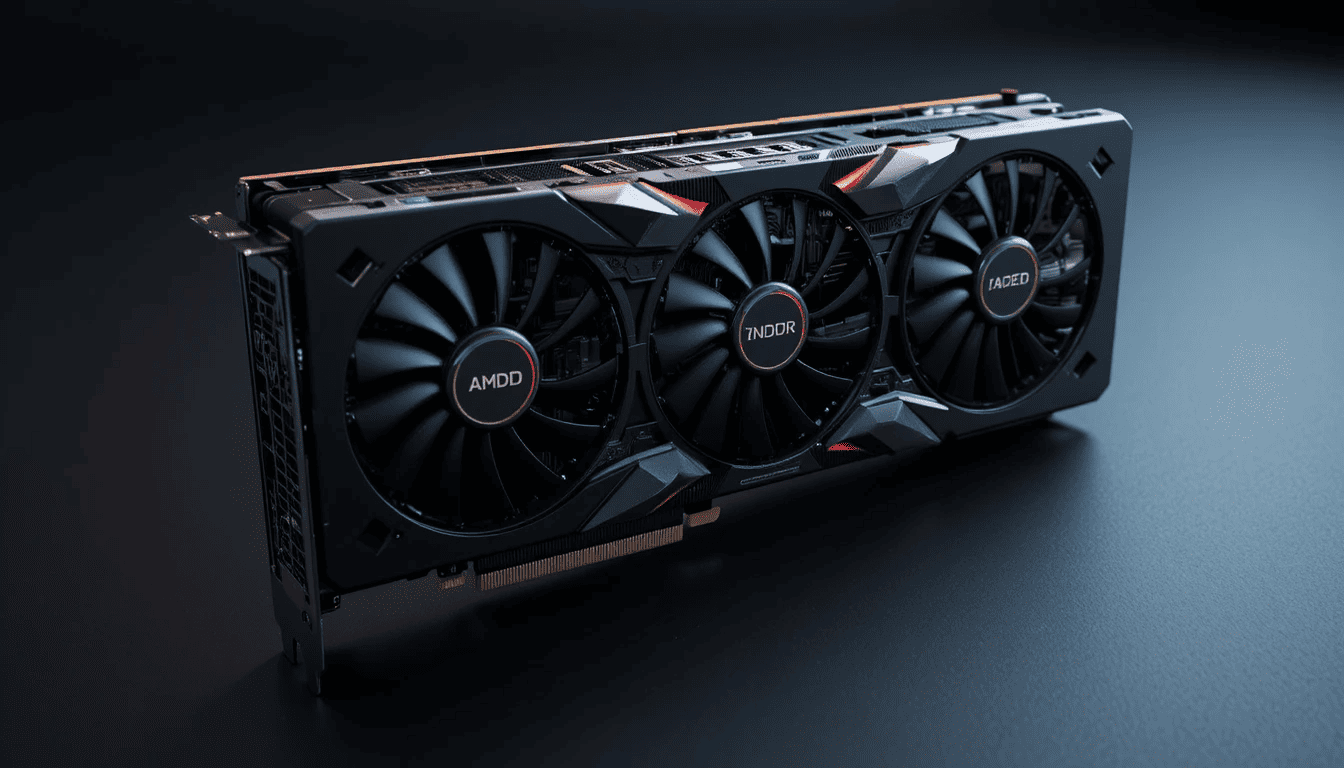
9. AMD Radeon RX 9060 XT (16 GB)
| Stream Processors | ~4,608 |
| Brand | XFX |
| Boost Clock | ~2.2 GHz |
| TDP | ~170 W |
| Video RAM | 16 GB GDDR6 |
| Architecture | RDNA 3 |
Reasons to Buy
Reasons to Avoid
The AMD Radeon RX 9060 XT is a midrange graphics card with 16 GB of GDDR6 VRAM, built on RDNA 3 architecture. It supports modern rendering techniques, offers efficient power usage, and is aimed at gamers and content creators who want strong performance without paying flagship prices. In the market, it sits in the upper-midrange segment, providing a balance between capability and cost for 1080p and 1440p gaming.
While playing Horizon Forbidden West, I noticed that textures loaded smoothly, and frame rates stayed consistent even in open-world sections with many NPCs and dynamic lighting. In Assassin’s Creed Valhalla, the graphics card handled high-detail environments without stuttering, though extremely dense areas occasionally caused minor FPS dips. Paired with CPUs like the Ryzen 7 7700 or Core i5-13600K, the card delivered responsive gameplay with minimal bottlenecks.
During testing, I observed that power draw was moderate, and temperatures rose gradually under sustained load but remained within safe limits. The cooling solution kept fan noise low, and no throttling occurred during extended sessions. Memory usage remained stable while running background tasks like recording or streaming. Overall, the RX 9060 XT felt reliable and efficient, making it a solid midrange choice for gamers and creators seeking capable performance without the flagship cost.
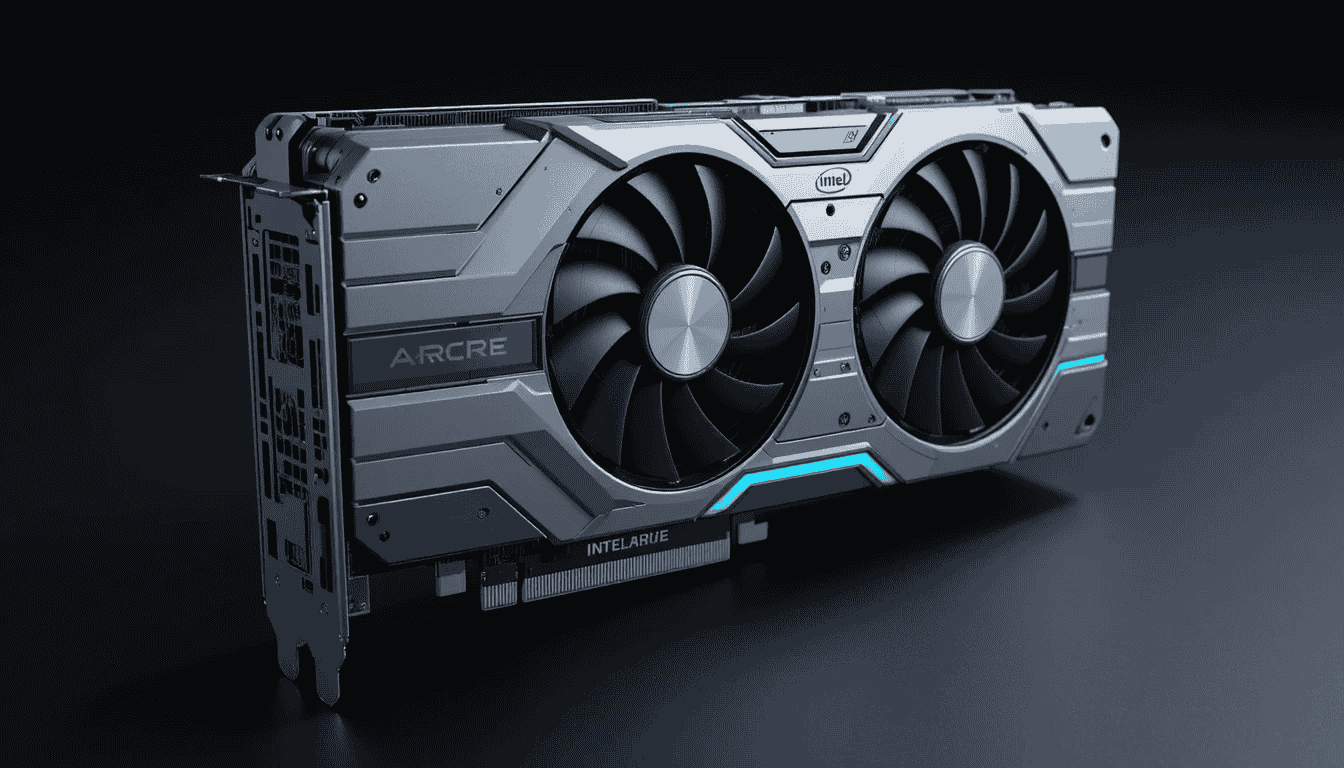
10. Intel Arc B580 (16 GB)
| Xe Cores | 128 |
| graphics card Clock Speed | 1500 GHz |
| TDP | ~175 W |
| Video RAM | 12 GB GDDR6 |
| Architecture | Xe-HPG |
Reasons to Buy
Reasons to Avoid
The Intel Arc B580 is a budget-friendly graphics card with 12 GB of GDDR6 memory, designed for gamers and content creators who want solid performance without spending on high-end hardware. In the market, it sits in the value-oriented segment, offering strong 1440p performance for users looking for cost-effective options.
While playing Forza Horizon 5 at high settings, I noticed that the graphics card maintained smooth frame rates in most areas, though extremely busy sections with many cars and effects caused minor dips. In Cyberpunk 2077, high textures ran reasonably well at 1440p medium settings, but enabling ray tracing caused noticeable FPS drops. Paired with CPUs like the Intel Core i5‑13600K or Ryzen 5 7600X, bottlenecks were minimal, and gameplay felt consistent during longer sessions.
During testing, I observed that power consumption stayed moderate, and temperatures rose steadily but stayed safe under normal airflow conditions. The fans remained quiet, and no thermal throttling occurred. VRAM handled texture-heavy areas efficiently, and background tasks like streaming or light rendering did not affect performance. Overall, the Arc B580 proved to be a reliable, budget-friendly option for gamers and creators who need decent 1440p performance without investing in the best graphics card.
Graphics Card FPS Benchmarks by Resolution
In this section, we have tested different graphics cards across multiple gaming resolutions to evaluate their performance. Each GPU was analyzed under various resolution settings to determine its FPS output and overall stability in different scenarios.
This allows you to clearly understand how each graphics card performs at specific resolutions and what level of performance you can expect based on your gaming preferences. The complete benchmark data has been compiled and provided in a downloadable file for detailed reference.
Can a Graphics Card Be Customized for Gaming?
A graphics card is not entirely fixed in its configuration, but its level of customization depends on its design and intended use. Unlike CPUs, GPUs come as integrated units; however, several key components within a graphics card can still be modified, upgraded, or optimized to enhance performance and efficiency.
At the core of every graphics card is the GPU (Graphics Processing Unit), developed by manufacturers such as NVIDIA and AMD. This is the primary processing unit and cannot be replaced independently, as it is permanently integrated into the card’s PCB. Alongside the GPU, VRAM (Video Memory) plays a critical role in handling textures, resolutions, and data throughput. Similar to the GPU core, VRAM is soldered onto the board and is not upgradeable.
However, several other components allow for meaningful customization. The cooling system is one of the most flexible areas. Users can replace stock air coolers with advanced air solutions or liquid cooling systems to improve thermal performance and maintain stable clock speeds under load. Thermal pads and thermal paste can also be upgraded to improve heat transfer efficiency.
Another key area is power delivery. While the core VRM (Voltage Regulation Module) design is fixed, users can optimize power input through high-quality PSUs and stable connectors. Advanced users may also explore BIOS tuning or firmware-level adjustments to modify power limits, though this requires precision and carries risk.
In terms of performance tuning, overclocking and undervolting are the most practical customization methods. Using software tools, users can increase core clock speeds, adjust memory frequencies, or reduce voltage to achieve better efficiency. These changes allow the GPU to perform beyond its default configuration without altering physical components.
Additionally, aesthetic and structural modifications such as backplates, RGB lighting, and vertical GPU mounts can be implemented depending on the case compatibility. While these do not directly impact performance, they contribute to system design and airflow management.
Conclusion
Choosing the best graphics card depends on what you want to do, your budget, and your system setup. The best graphics card, such as the NVIDIA RTX 5090 or AMD RX 7900 XT, is ideal for 4K gaming, heavy ray tracing, and content creation, delivering top-tier performance. Mid-range and budget options, such as the Intel Arc A770/B580 or AMD RX 7800 XT, perform well for 1080p to 1440p gaming and lighter creative tasks without overspending.
When picking a graphics card, consider factors like VRAM, target FPS, and CPU compatibility to avoid bottlenecks. Pay attention to power requirements and cooling, too, especially if you plan longer gaming or rendering sessions. Comparing performance, price, and features will help you get the most value for your money. Take your time, choose wisely, and select a GPU that perfectly suits your gaming style or creative workflow.