How Classroom Technology Supports Student Learning in 2026?
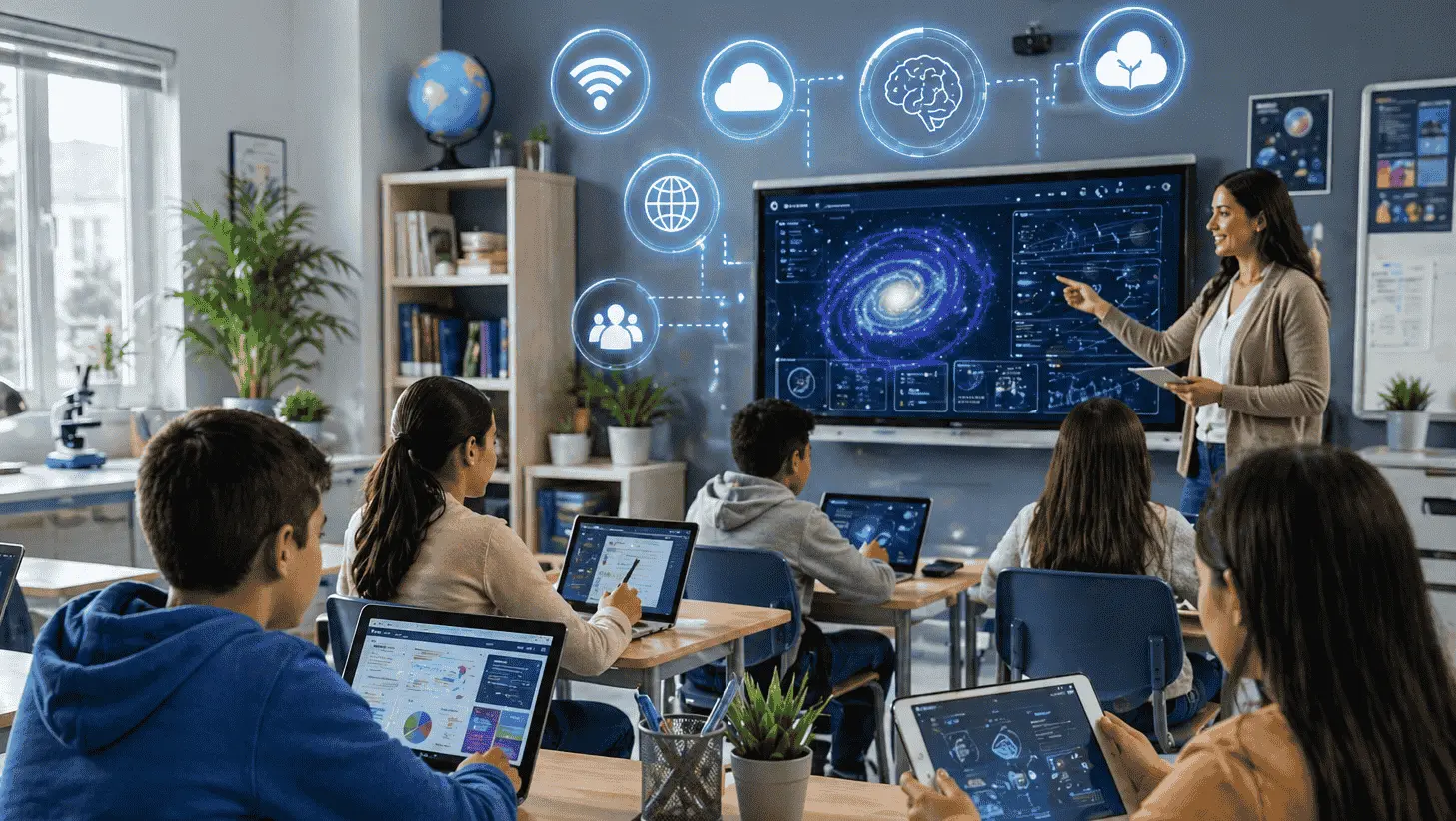
Classroom technology is rapidly transforming education, with AI and other modern advancements reshaping the learning landscape. According to the lifelong learning report, the learning management system (LMS) is the most widely used technology in K-12 education, with 91% of instructors and 84% of students using it.
Connecting Students with Learning via Classroom Technology
Classroom technology has bridged the gap between the classroom and the outside world by connecting students with immersive experiences, real-world data, and global experts.
Online technology is experiencing worldwide expansion, with the industry expected to grow at a compound annual growth rate (CAGR) of 18.1% between 2020 and 2027, following a strong 2019 valuation of $76.4 billion.
This is because of improved global internet providers, an increase in the number of smartphones, and a post-pandemic shift towards hybrid learning models.
Shifting to hybrid models has consequently increased reliance on a dependable internet provider, which is the backbone of a digital classroom, since it ensures uninterrupted access to live lessons, interactive tools, and educational resources, which prevents engagement lags or disconnects.
Finding internet plans on Local Cable Deals is the best idea in my opinion, since they offer high speed and reliable providers that can support modern education, which is totally cloud-based, creating an equitable learning environment.
Moreover, with standard online courses, institutions are increasingly investing in immersive technologies like augmented reality /virtual reality and AI-driven tutoring to enhance classroom engagement and foster hands-on practical learning.
This widespread adoption of AI in education and gamification is evolving teaching techniques, moving them to interactive and personalized learning experiences.
Immediate Access to Resources
Classroom technology offers up-to-date and on-demand educational materials, replacing the traditional textbook with collaborative platforms, simulation tools, and digital libraries.
This enables students to learn instantly since they have access to multimedia, scholarly articles, and e-books, and an AI video generator can turn text-heavy lessons into engaging visual narratives, further supporting personalized learning and boosting engagement.
There are several ways in which technology has enabled immediate access to resources, such as:
Digital Libraries
Digital libraries have enabled users to access books, academic journals, and research papers instantly by eliminating the need for physical browsing. Now you can literally get the answer to your question at a single click or a voice command.
Our research found that the trend of digital libraries has emerged because of two reasons: one is the attention span of users, and the other is the increasing cost of traditional books.
Social media platforms like Instagram, TikTok, and YouTube Shorts have affected the attention span of users to the extent that now, they cannot focus on one thing for a long time; they need their questions to be answered instantly.
And secondly, according to reports, around 7 out of 10 students have avoided purchasing college course books because of their high cost, and around 20% of students could not even pass their university courses since they could not afford textbooks.
Online Platforms
Online platforms have increased interaction and engagement, since gamified learning, virtual simulations through VR and AR, and multimedia content have transformed passive learners into active participants.
Platforms like Classcraft, Kahoot, and Quizlet use rewards and badges to increase student engagement, and these tools have made complex courses more enjoyable and approachable. Using a simple video editor, students can also create their own educational clips and add subtitles to make them accessible to all learners, reinforcing both technical and inclusive communication skills.”
Understanding Student Feedback with AI
Classroom technology makes it easier for schools and teachers to understand what students think about their learning experience. AI can review comments from surveys, discussion boards, and online classes to find common concerns and suggestions. Instead of reading hundreds of responses manually, teachers can quickly see which topics students struggle with the most and what changes could improve learning.
Using Natural Language Processing (NLP) and Machine Learning, AI can identify patterns in student feedback and group similar responses together. It can also detect whether comments are positive, negative, or neutral, helping teachers understand how students feel about lessons, assignments, and classroom activities. This allows educators to make informed decisions based on real student experiences.
Helping Students Create Better Content
Classroom technology also helps students improve their writing and research skills. Many students use AI tools when working on assignments, but it is important to review and improve AI-generated content before submitting it. For students working on longer-form writing projects, an AI book writer can also help turn ideas into structured outlines and chapters while leaving room for students to refine the content with their own research and perspective. A GPT detector can help students check how much AI-generated text appears in their work and identify areas that may need more personal input.
By adding original ideas, examples, and analysis, students can make their content more authentic and engaging. This process teaches them how to use AI as a learning tool while still developing their own critical thinking, research, and writing abilities.
How Sentiment Analysis Understands the Students’ Mood
By using AI, instructors can understand the emotional tone and sentiment behind the students’ feedback, which will look beyond words to uncover the true feelings of students.
AI-powered sentiment analysis identifies negative feedback and simultaneously highlights the positive trends in teaching. This emotional intelligence layer allows institutions a comprehensive view of satisfaction and frustration, facilitating rapid intervention and deeper insights, which are essential for success in a highly competitive educational landscape.
Developing Employability Skills
Classroom technology acts as a bridge between theoretical knowledge and the practical demands of the modern-day workforce by developing important employability skills among students through daily intentional use.
By combining digital tools with education, institutions move beyond traditional teaching to create an environment that fosters adaptability, critical thinking, collaboration, and digital literacy.
Let’s break down how classroom technology develops employability skills among students:
Technical Proficiency and Digital Literacy
Regular use of Google Workspace (Slides, Sheets, Docs) or Microsoft 365 (PowerPoint, Excel, Word) teaches students how to create professional documents, manage information, and analyze data.
Furthermore, many universities are encouraging their students to use AI since they believe that this is the future of work, which is very true. One example of this is the Arizona State University, since they have aggressively adopted the “AI-first” approach, aiming to put AI tools in the hands of all students for advanced learning and research.
ASU has partnered with OpenAI to provide enterprise-grade ChatGPT Edu access to students, staff, and faculty, ensuring a productive and secure environment.
The best thing is that the university encourages faculty to use AI for tailored course design and has asked students to use it to enhance their research productivity and writing, rather than banning it.
Critical Thinking and Problem-Solving
Modern-day technology is helping students to move from passive knowledge consumption to active knowledge construction. Using digital tools to interpret market trends, create visualizations, and analyze data, students are prepared for decision-making roles in finance and business.
It also helps in debugging and simulation since educational robotics and virtual labs allow students to conduct experiments, identify errors, and iterate on solutions (the same thing professionals use in the IT and engineering fields).
Collaboration and Teamwork in Virtual Spaces
There is a recent shift in the way employees now work, since many of them now either work hybrid or remotely, which means that students who are about to graduate should know how to collaborate and work in teams in virtual spaces, since this is the future of work.
Using shared digital documents and whiteboards like Miro or Jamboard enables students to work in teams on projects from different locations, mimicking corporate team dynamics.
Lastly, using platforms like Slack, Microsoft Teams, and Zoom for group work teaches students online presentation skills, screen sharing, and communication etiquette.
Integrating technology in education allows both students and teachers to make data-driven and informed decisions. By meaningful feedback, critical thinking, and preparing students for future careers, these online tools that students today use in their classrooms are a vital part of their success. Adopting these methods allows students to handle future challenges effectively.
How System Performance Directly Affects Learning Outcomes in Tech Classrooms?
When you are in a classroom and actively practicing technology-related tasks, whether it’s programming environments, system configurations, or AI tools, you naturally try to use the best possible setup. For machine learning workflows, you tend to prefer a capable GPU system, and when building or running LLM models, high compute power, along with a stable storage environment, becomes essential.
At this stage, the system’s actual capability becomes clear. If the GPU lacks the required compute units or VRAM, model execution becomes incomplete, or the process fails. If RAM is limited, large datasets cannot be loaded, and processing comes to a halt. If the CPU is not efficient in handling instructions, preprocessing, and task scheduling become delayed.
When multiple tools run simultaneously, such as a code editor, dataset processing scripts, and model libraries, component imbalance becomes immediately noticeable. If the GPU is strong but the CPU is weak, data feeding slows down, and the GPU remains idle. If the storage is slow, data access is delayed, which affects overall execution.
During AI learning, these issues are not just inconveniences; they disrupt the learning flow. Students fail to achieve the expected output, experiments remain incomplete, and instead of understanding system behavior, they end up spending unnecessary time troubleshooting.
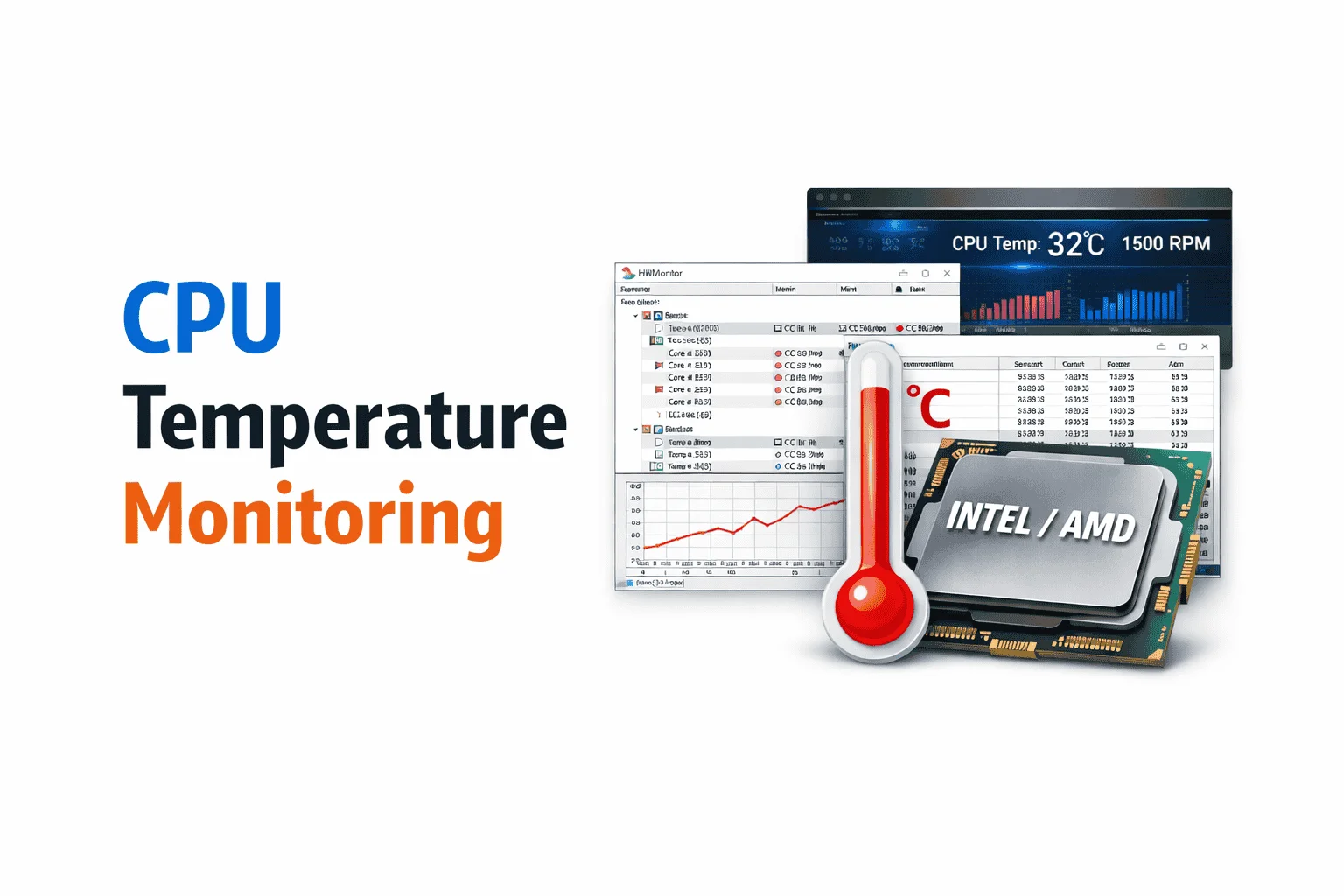
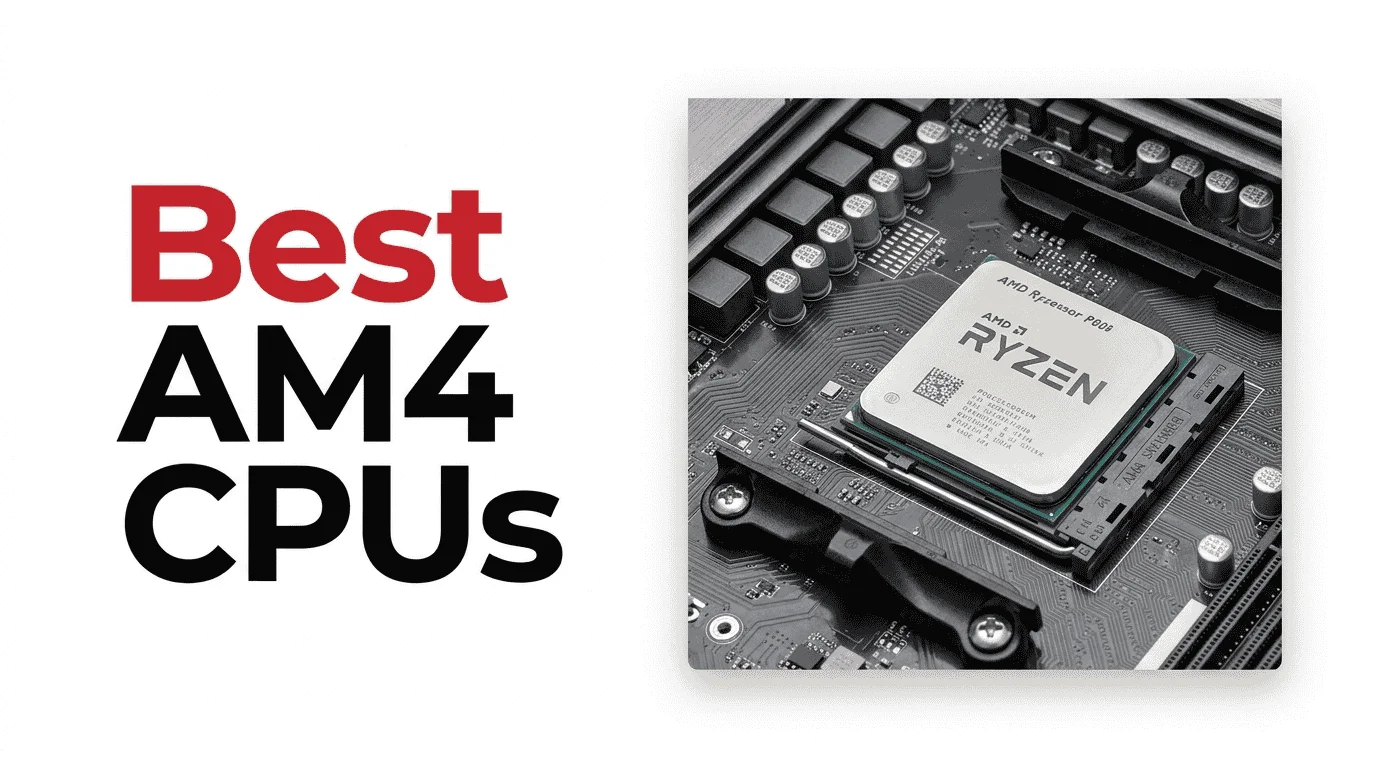
That is why it is important to measure system performance rather than relying solely on specifications. Checking CPU and GPU compatibility, evaluating configurations based on workload, and identifying bottlenecks become essential steps.
Conclusion
Classroom technology enhances students’ learning by making concepts clearer through direct interaction and execution, while LMS platforms, digital libraries, and AI-driven tools provide structured, on-demand knowledge. When these tools are used with proper system performance, students can accurately observe algorithms, data handling, and model behavior, thereby strengthening their conceptual understanding.
At the same time, this environment does not limit them to theory alone; rather, it allows them to understand real technical aspects such as system limitations, hardware compatibility, and performance optimization. As a result of this combination, students learn to handle practical decision-making, problem-solving, and digital workflows efficiently.