Solar Generator Performance in Extreme Heat and Cold
Extreme heat can reduce solar generator performance by lowering solar panel output, accelerating battery aging, and causing overheating. Extreme cold can shorten battery runtime, slow down charging, or prevent lithium batteries from charging altogether. These effects depend on battery chemistry, operating temperature, solar panel efficiency, and the generator’s thermal management system.
Most modern solar generators use lithium iron phosphate (LiFePO4 or LFP) or other lithium-ion batteries, which perform best within their recommended temperature ranges. Understanding how heat and cold affect these components helps you avoid unexpected power interruptions and protect your equipment. This guide explains the technical reasons behind temperature-related performance changes and how to keep your solar generator working safely throughout the year.
How Extreme Heat Affects Solar Generator Performance
High temperatures affect three important components of a solar generator: the battery, the inverter, and the solar panels. While these components respond differently to heat, excessive temperatures can reduce charging efficiency, shorten battery life, and interrupt electricity supply.
High Temperatures Reduce Battery Efficiency and Lifespan
Excessive heat accelerates chemical reactions inside lithium batteries, increasing the rate of battery degradation over time. Prolonged exposure to high temperatures can reduce usable capacity and shorten the battery’s service life. Although batteries may initially deliver power normally in warm conditions, sustained heat places additional stress on internal components.
One important factor is the solid electrolyte interphase (SEI), a protective layer that forms on the battery’s negative electrode. High temperatures can accelerate unwanted chemical reactions at this layer, consuming active lithium and gradually reducing the battery’s ability to store energy. This explains why a battery exposed to excessive heat for months may lose capacity faster than one kept at moderate temperatures.
Battery lifespan also depends on its state of charge (SOC), which indicates how much energy remains in the battery. Research into battery degradation explains how changes in electrode materials can gradually reduce energy storage capacity. Keeping lithium batteries at a high state of charge for extended periods in hot conditions can also accelerate aging, although the effect varies by battery chemistry.
Avoid storing or operating your power station in enclosed vehicles or direct sunlight. For long-term storage, follow the manufacturer’s recommended charge level and temperature limits. Maintaining moderate battery temperatures helps preserve long-term performance and supports more reliable energy storage.
Excessive Heat Can Trigger Charging Limits and Automatic Shutdowns
Solar generators typically use battery management systems (BMS) to monitor temperature and protect internal components. A BMS uses temperature sensors to monitor battery conditions and can adjust charging or discharging current when temperatures approach unsafe levels. When battery temperatures exceed safe limits, these systems may reduce charging power, restrict output, or temporarily shut down the unit.
The AC inverter can also generate considerable heat when powering demanding appliances such as refrigerators, electric kettles, or power tools. Running several high-wattage devices simultaneously increases electrical and thermal stress. Some solar generators respond through thermal derating, which means automatically reducing their maximum available power to control internal temperatures.
Such protective measures help prevent overheating and potential battery damage. However, repeated thermal shutdowns can interrupt electricity supply during demanding applications. If overheating occurs, reduce connected loads, move the equipment to a cooler location when safe, and allow temperatures to stabilize before restarting operation.
Hot Weather Reduces Solar Panel Power Output
Solar panels rely on sunlight to generate electricity, but excessive heat can reduce their conversion efficiency. As photovoltaic (PV) cells become hotter, their operating voltage generally decreases, lowering power output under otherwise similar sunlight conditions. Consequently, intense summer sunshine does not always produce maximum charging performance.
The U.S. Department of Energy explains how temperature affects solar efficiency. Higher temperatures cause a small increase in electrical current but a much larger decrease in voltage, resulting in lower power production.
Solar panels also have a temperature coefficient that indicates how much output changes with cell temperature. Photovoltaic performance models use temperature coefficients to help engineers estimate these changes. Many crystalline silicon panels have a power temperature coefficient of about -0.3% to -0.5% per °C.
For example, consider a 400W panel with a temperature coefficient of -0.35%/°C. If its cell temperature rises from 25°C to 55°C, the temperature increase alone can reduce its rated output by approximately 10.5%. Under otherwise identical standard sunlight conditions, its estimated output would fall to about 358W.
An important detail is that panel temperature is not the same as air temperature. Solar cells can become considerably hotter than the surrounding air when exposed to direct sunlight. Position solar panels where they receive unobstructed sunlight while allowing airflow underneath. Avoid placing panels directly against heat-trapping surfaces. Proper installation helps minimize temperature-related efficiency losses and maintain more consistent solar charging.
How Extreme Cold Affects Solar Generator Performance
Cold weather creates different challenges for solar generators because lithium batteries depend on chemical reactions to store and release energy. Freezing temperatures can slow these reactions, reduce available battery capacity, and make charging more difficult, even when the solar panels receive sufficient sunlight.
Low Temperatures Reduce Available Battery Capacity and Runtime
Cold temperatures slow the electrochemical processes inside lithium batteries, increasing internal resistance and reducing the energy available during discharge. As a result, a solar generator may deliver shorter runtimes in freezing weather than under moderate conditions. High-power appliances can further increase voltage drops when batteries are cold.
This happens because lithium ions move less easily through the battery’s electrolyte and electrode materials at low temperatures. The battery may still contain stored energy, but it cannot always deliver that energy at the same rate. A significant voltage drop can also cause the battery management system to limit output or disconnect the load earlier than expected.
Research from Pacific Northwest National Laboratory on cold performance explains how electrolyte formulations influence battery operation across different temperatures. Improved electrolytes can help batteries function in colder environments, but their capabilities depend on the cell design.
For example, a 1,000Wh solar generator powering a 100W appliance might provide around 8.5 hours of runtime if approximately 85% of its stored energy reaches the appliance. Freezing temperatures can shorten that runtime because the battery may temporarily deliver less usable energy. The actual result depends on battery temperature, inverter efficiency, and appliance power consumption.
These effects are often temporary, with performance improving as battery temperatures rise. Keeping the power station within its recommended operating range helps maintain reliable output and reduces unexpected interruptions during winter use.
Freezing Conditions Can Restrict Battery Charging
Charging lithium batteries at temperatures below their permitted charging range can cause permanent damage, including lithium plating inside battery cells. Lithium plating occurs when metallic lithium accumulates on the negative electrode instead of being stored normally within its structure. This can reduce battery capacity, increase internal resistance, and create safety concerns.
Charging current is another important factor because faster charging increases the risk of lithium plating under unfavorable conditions. Studies published through the U.S. Department of Energy’s research system discuss these charging risks and show how battery chemistry and temperature influence degradation.
Many conventional lithium-ion batteries restrict charging near or below 32°F (0°C), although specific limits vary by battery chemistry and system design. Some advanced solar generators include battery heaters or automatic temperature controls that allow charging in colder environments under approved conditions.
To prevent damage, many solar generators automatically limit or suspend charging when battery temperatures become too low. Importantly, a battery’s allowed discharge temperature may differ from its charging temperature. Never assume that a functioning power station is safe to recharge immediately. Follow manufacturer instructions and allow the battery to reach its approved charging temperature before connecting a power source.
Snow, Ice, and Winter Sunlight Affect Solar Charging Efficiency
Winter conditions can reduce solar charging performance through shorter daylight hours, lower sun angles, and accumulated snow or ice. Even partial panel coverage may significantly restrict electricity generation by blocking sunlight from photovoltaic cells. When one section of a panel is shaded, it can affect the output of other electrically connected cells.
Interestingly, solar panels can operate more efficiently in cold, sunny weather because lower cell temperatures help maintain higher operating voltage. However, improved cell efficiency does not necessarily mean greater daily energy production. Shorter daylight hours, cloudy skies, and snow coverage can outweigh the benefits of cooler temperatures.
The Department of Energy’s winter guidance explains how snow accumulation and ice can reduce solar production and place additional mechanical stress on solar panels. The document also discusses how installation angles and panel construction affect snow accumulation.
Position panels to capture available winter sunshine and adjust their angle when practical. Avoid scraping ice or forcing snow off the panel surface. If snow removal is permitted by the manufacturer, use an approved soft cleaning tool and only work where it is safe to do so. Check cables and connectors for moisture or damage before use.
Another technical consideration is open-circuit voltage (Voc). Solar panel voltage generally rises as cell temperature falls, so a solar array connected in series may produce a higher open-circuit voltage during freezing weather. Always check the temperature-corrected Voc against your solar generator’s maximum PV input voltage to avoid damaging the MPPT charge controller or other charging electronics.
How to Protect Your Solar Generator in Extreme Temperatures
Protecting a solar generator requires more than keeping it away from direct sunlight or freezing conditions. Proper ventilation, suitable storage temperatures, safe charging practices, and regular maintenance can help prevent temperature-related problems before they interrupt your power supply.
Keep Your Solar Generator Cool and Ventilated During Hot Weather
Protect your solar generator from overheating by placing it in a shaded, well-ventilated location. Keep cooling vents unobstructed and maintain the clearance specified by the manufacturer. Avoid enclosing the unit in tightly sealed containers or placing it near heat-producing appliances.
During particularly hot weather, monitor battery temperature warnings and reduce demanding electrical loads when necessary. It also helps to check the generator’s AC output and solar charging input through its display or monitoring application, if available. High charging power combined with heavy appliance usage can increase internal heat generation.
A practical arrangement is to keep solar panels in direct sunlight while positioning the power station in a shaded, dry location using cables approved for the installation. This allows the panels to collect solar energy without exposing the battery and inverter to unnecessary solar heating.
If the equipment approaches its operating temperature limit, stop charging or discharging as instructed. Effective ventilation helps maintain safer operating conditions and dependable performance.
Insulate and Store Your Solar Generator Safely in Cold Conditions
Store your solar generator in a dry, temperature-controlled environment whenever possible. During outdoor operation, use manufacturer-approved protective enclosures or insulation designed to accommodate the equipment without obstructing ventilation.
Never wrap an operating unit in blankets or place heating devices directly against its casing. Improper insulation can trap heat produced by the inverter and battery, creating an overheating problem even when the surrounding air is cold.
For extended winter storage, follow the manufacturer’s recommended state of charge rather than leaving the battery completely discharged. Lithium batteries can lose a small amount of charge while stored, and some power stations also consume energy through internal electronics. Checking the battery periodically helps prevent excessive discharge during long storage periods.
Protect electrical connections from snow, ice, and condensation. When moving equipment from freezing conditions into a warm room, allow sufficient time for temperature stabilization and moisture evaporation before charging or operating it. Sudden temperature changes can cause condensation on electrical components, increasing the risk of corrosion or electrical faults.
Follow Recommended Operating Temperatures and Charging Practices
Always check the manufacturer’s specified operating, charging, and storage temperature limits before using equipment in extreme weather. These specifications describe different conditions and should not be treated as interchangeable.
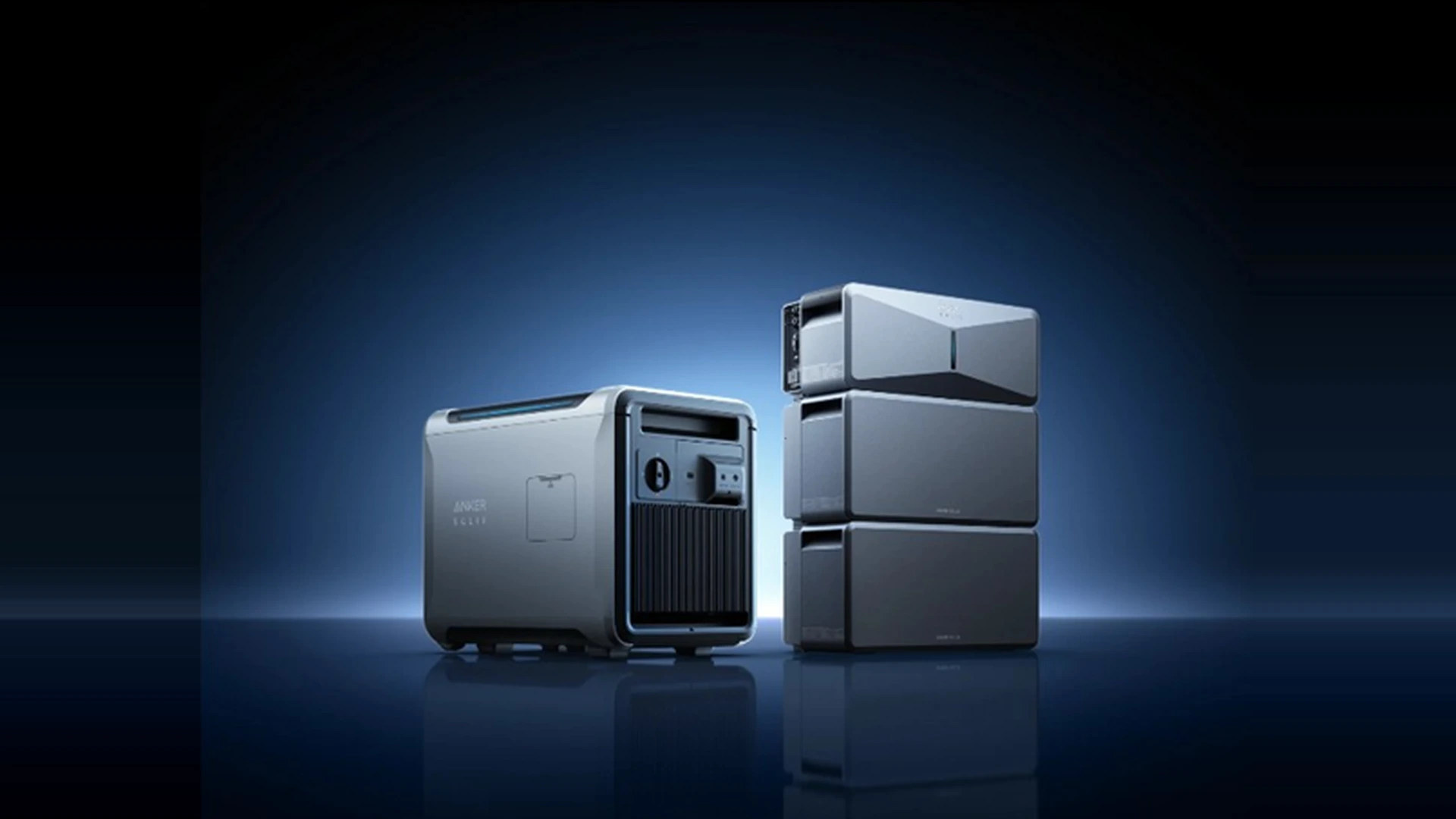
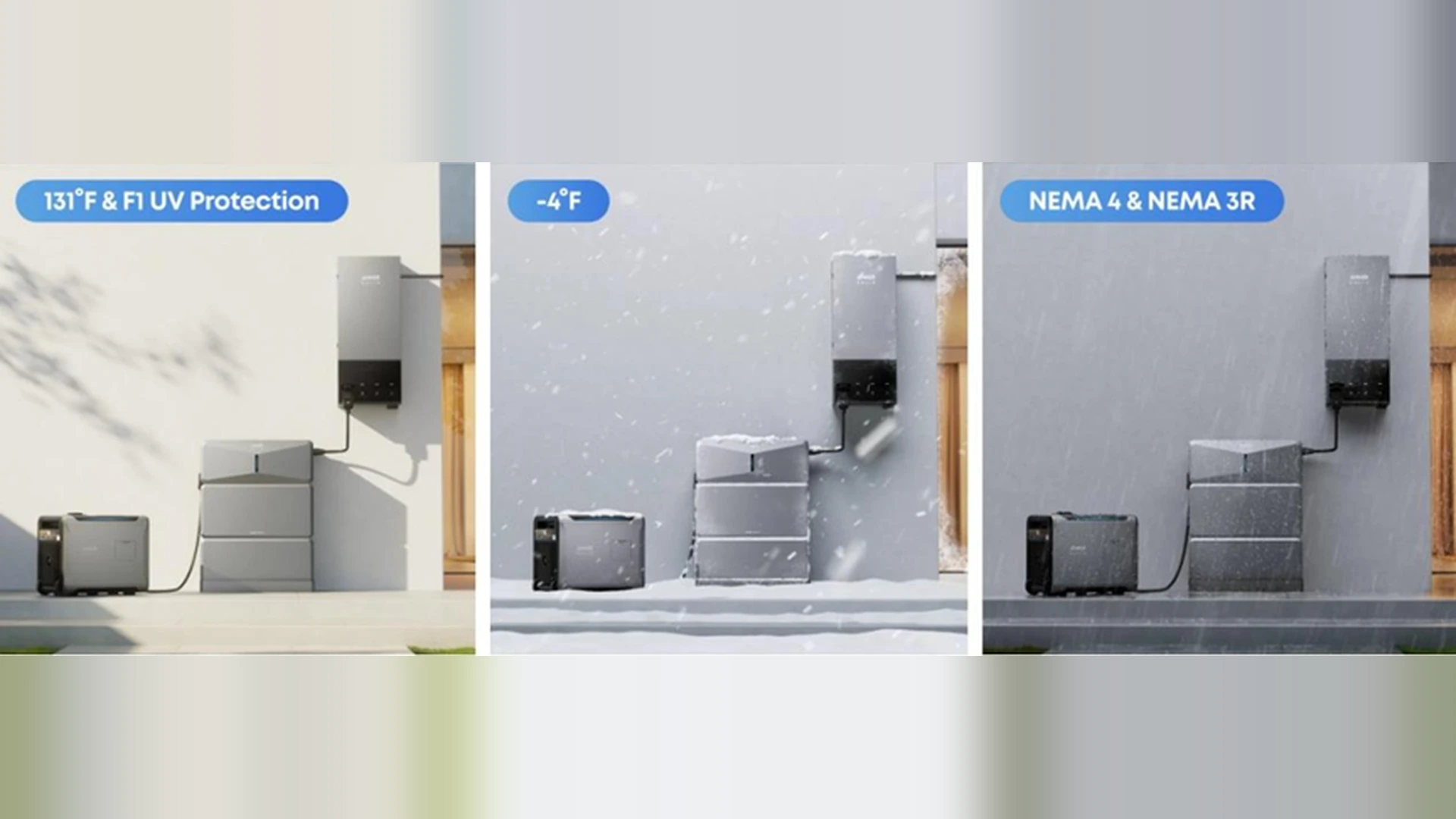
For example, the Anker SOLIX E10 Solar Generator features weather-resistant construction and thermal protection, with a stated operating temperature range of -4°F to 131°F (-20°C to 55°C). Its NEMA 4 enclosure is designed to protect against environmental exposure, making it suitable for approved outdoor installations.
However, the manufacturer’s technical specifications also state that the E10 power module begins reducing power above 113°F (45°C). This means the system may reduce output before reaching the maximum operating temperature. Its outdoor installation design supports demanding environmental conditions, but battery charging restrictions and installation requirements still apply.
Weather resistance should not be confused with unlimited temperature tolerance. An enclosure may protect against water and dust exposure while the internal battery and inverter still require thermal protection. Follow the product manual, monitor temperature alerts, and observe installation requirements to maintain safe, reliable performance.
Monitor Battery Health and Charging Performance Throughout the Year
Temperature-related problems are easier to identify when you understand the difference between battery capacity, power output, and charging efficiency. Battery capacity is measured in watt-hours (Wh), while charging and output power are measured in watts (W). A solar generator may still deliver its rated power briefly but provide less total runtime because of cold-related capacity limitations.
When checking a solar generator’s performance, I would start by comparing its usual runtime with its performance under similar electrical loads during hot or cold weather. Checking solar input wattage, state of charge, temperature warnings, and charging interruptions can help identify whether the issue comes from the battery, solar panels, or charging system.
For solar panels, compare generation under similar sunlight conditions rather than expecting the rated wattage throughout the day. An MPPT charge controller helps track the panels’ maximum available power, but it cannot eliminate losses caused by excessive cell temperature, shading, or weak sunlight.
Regular inspections also matter. The Department of Energy provides maintenance recommendations covering electrical performance monitoring, cable inspections, and equipment checks after severe weather. Following these practices can help identify developing problems before they cause unexpected power interruptions.
Conclusion
Extreme heat and cold affect solar generator performance in different ways. High temperatures accelerate lithium battery aging, reduce photovoltaic panel efficiency, and can trigger thermal protection systems, while freezing conditions increase battery resistance, shorten available runtime, and may prevent safe charging. These problems can often be minimized through proper ventilation, temperature-controlled storage, careful solar panel positioning, and regular monitoring of battery health.
Understanding technical factors such as battery management systems, temperature coefficients, charging limits, and solar input voltage also helps you make better operating decisions. Always follow the manufacturer’s temperature specifications and safety instructions to protect your solar generator, extend battery life, and maintain dependable electricity in challenging weather conditions.