How Does Home Battery Backup Reduce Peak Electricity Costs?
Peak electricity costs often depend on when a household draws power, not just how much energy it consumes. Air conditioning, cooking, laundry, and evening entertainment can push demand into expensive hours. A home battery backup changes this pattern by storing electricity when it is more economical and supplying it when prices rise.
When paired with solar panels or a suitable time-of-use electricity plan, this approach can reduce reliance on expensive grid power. The potential savings depend on household consumption, tariff rules, and battery settings.
How Battery Storage Changes Your Electricity Costs
Store Energy When Prices Are Lower
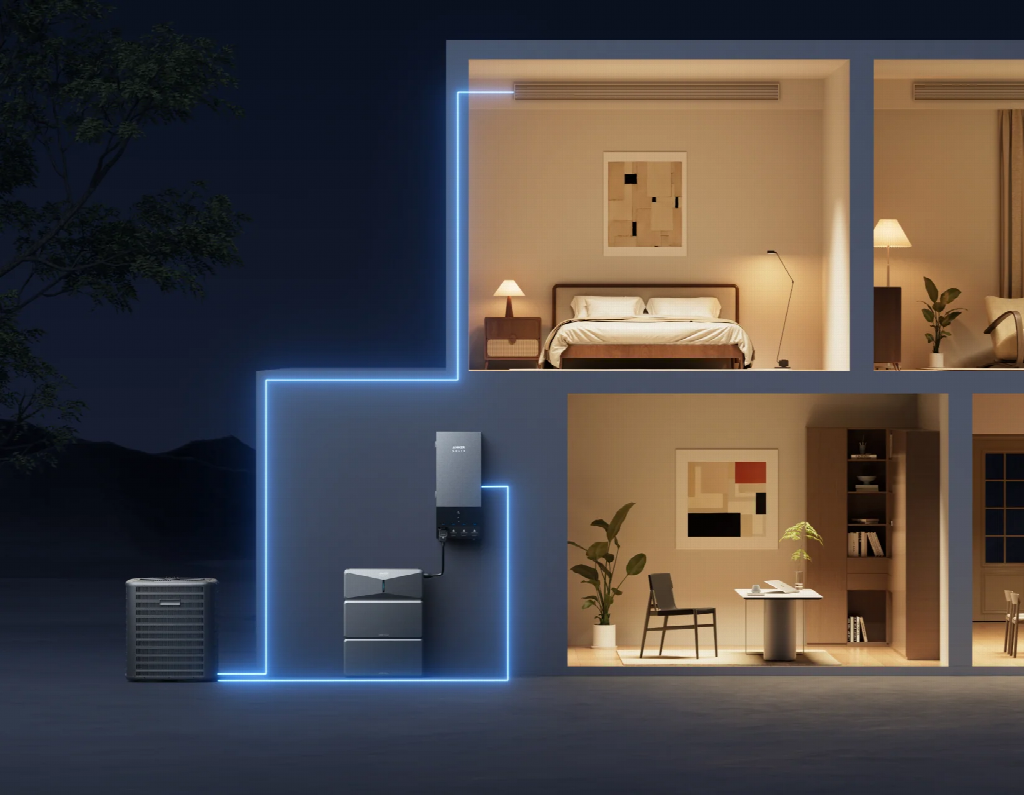
Time-of-use electricity plans charge different rates at different times of day. A household may face higher prices during evening peak periods, when many people return home and switch on appliances. A battery allows you to shift some electricity purchases away from these expensive hours. It charges when electricity costs less, then supplies stored energy when grid prices increase. For example, a household might charge its battery overnight under a suitable off-peak tariff and draw on that energy during the evening cooking and entertainment period.
The financial benefit depends on the difference between charging and peak rates, along with charging losses and applicable fees. Reviewing your electricity tariff before choosing a battery helps establish whether this strategy fits your household’s actual spending patterns.
Turn Daytime Solar Generation Into Evening Savings
Solar panels often generate the most electricity during daylight hours, while household demand may rise after sunset. Without storage, the timing of generation and consumption may not match. A battery bridges that gap by retaining surplus solar electricity for later use. Instead of purchasing as much grid electricity during the evening peak, a household can draw on energy collected earlier in the day. This approach becomes particularly useful for homes with daytime solar generation and substantial evening consumption.
Battery capacity determines how much surplus energy can be retained, while charging and discharging power affect how quickly the system can manage energy flows. The strongest financial results come from matching solar production, household demand, and usable battery capacity rather than focusing on panel output alone.
Reduce Expensive Grid Purchases During High-Demand Hours
The value of a battery also depends on which appliances consume electricity during peak periods. Air conditioning, electric cooking equipment, and other high-demand loads can contribute significantly to evening consumption. A suitably configured battery can supply part of this demand, reducing the amount of electricity purchased from the grid at peak rates.
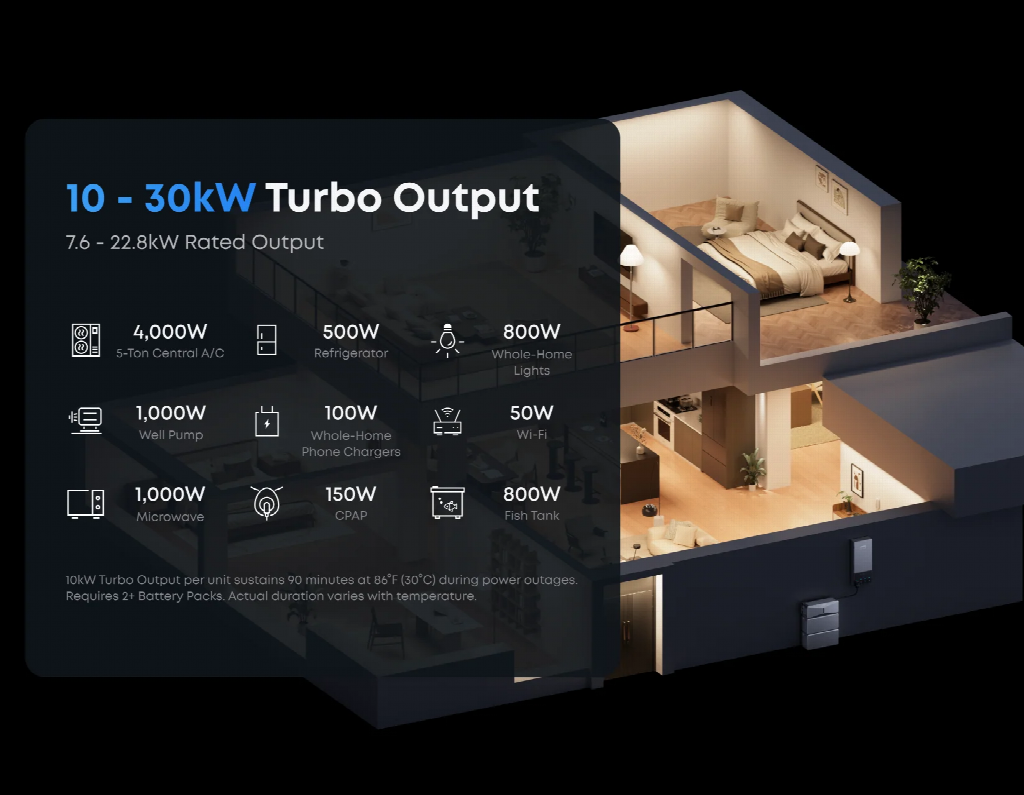
The system’s continuous output must support the appliances operating at the same time, while its stored energy must last through the intended peak period. For households with substantial electrical loads, both measurements matter. The Anker SOLIX E10 Whole-Home Backup offers 7.68 kW of maximum continuous output with batteries and 10 kW of turbo output for up to 90 minutes with two batteries. These capabilities provide a basis for planning energy use around household demand and tariff periods.
How to Build a More Cost-Efficient Battery Strategy
Match Battery Capacity to Your Peak-Time Consumption
A larger battery is not automatically the most economical choice. Start by checking how many kilowatt-hours your household consumes during expensive hours, then compare that figure with the energy you can realistically store and discharge. If your main goal is to cover a few hours of evening demand, your requirements will differ from those of a household seeking broader whole-home coverage.
The Anker SOLIX E10 uses B6000 battery modules, each with 6.144 kWh of capacity. One power module supports up to 30 kWh of storage, and the system can expand to 90 kWh across three units. This range allows households to consider different consumption profiles. Your final choice should reflect actual peak-period usage, expected savings, and how often you can recharge the system economically.
Coordinate Solar Charging With Time-of-Use Tariffs
Solar generation and variable electricity prices create two opportunities for battery savings. During sunny hours, the system can store available solar energy for later household use. When solar generation is limited, a suitable tariff may also make grid charging worthwhile during cheaper periods. The key is to coordinate charging with the household’s expected demand rather than following a fixed schedule without considering prices or solar availability.
The Anker SOLIX E10 supports up to 9 kW of solar input per power module and offers self-consumption and time-of-use operating modes. These options support different energy-management priorities. Households should review their tariff windows, solar production patterns, and evening consumption before configuring the system.
Calculate the Savings Before Choosing a System
A realistic savings estimate compares the cost of charging the battery with the cost of buying electricity during the hours when the battery discharges. Suppose a household stores 8 kWh overnight at $0.15 per kWh and later avoids buying the same amount at $0.35 per kWh. The gross difference is $1.60 before accounting for charging losses, equipment costs, and other applicable charges.
Actual results will vary with tariff structures and system efficiency. A home battery backup system can also provide outage protection, although the value of that benefit differs from the direct savings on electricity bills. The Anker SOLIX E10 combines energy storage with whole-home backup capabilities, so households can evaluate everyday energy savings alongside their resilience requirements.
Conclusion
Home batteries reduce peak electricity costs by shifting energy purchases, storing surplus solar generation, and supplying electricity when grid rates rise. The size of the savings depends on tariff differences, household demand, battery capacity, and charging strategy. The Anker SOLIX E10 offers expandable storage and dedicated solar input for households exploring these options. Before investing, review your electricity bills, identify your peak consumption, and compare realistic charging costs with avoided grid purchases. This approach establishes whether battery storage aligns with your financial goals and energy needs.