How Connected Patient Monitoring Devices Enhance Care Delivery
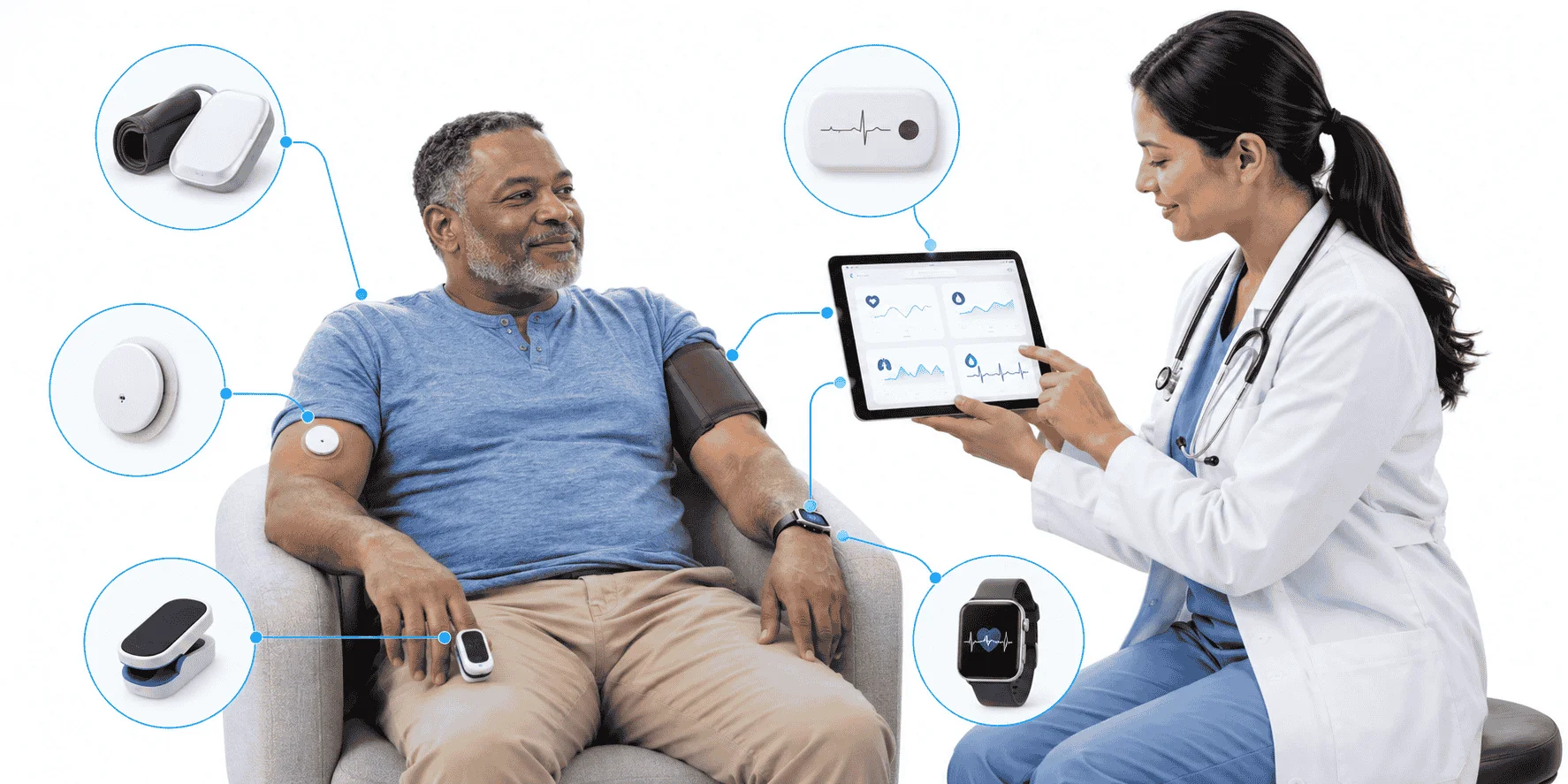
Connected patient monitoring devices help healthcare teams observe patient health beyond hospitals and clinics. These tools collect measurements in homes and other everyday settings, allowing clinicians to review changes that may not appear during a short appointment.
Blood pressure monitors, glucose sensors, cardiac devices, respiratory equipment, and wearable health sensors can all contribute to remote monitoring. Their clinical value depends on more than the device itself. Data must reach the correct patient record, appear in a usable format, and enter a workflow in which someone is responsible for reviewing it.
Key Remote Patient Monitoring Devices in Integrated Systems
Each monitoring device serves a different clinical purpose, but all connected systems depend on accurate measurements and reliable data exchange. Collecting more information will not improve care if clinicians cannot trust, interpret, or act on it.
An integrated monitoring environment connects devices with applications, clinical dashboards, electronic medical records, or electronic health records. It should also identify the patient correctly, preserve the meaning of each measurement, and show when the reading was recorded.
Blood Pressure and Cardiac Monitors
Internet-connected blood pressure cuffs can transmit measurements through Bluetooth, Wi-Fi, or cellular connections. Depending on the system, readings may first pass through a patient’s phone or a dedicated gateway before reaching a clinical portal.
Home blood pressure monitoring gives clinicians information collected outside the medical office. It can help evaluate patterns associated with white coat hypertension, in which office measurements are higher than readings taken elsewhere. It may also help identify masked hypertension, where office readings appear normal, but measurements outside the clinic are elevated.
The usefulness of a home reading depends on correct cuff size, placement, posture, timing, and device validation. A connected cuff does not correct poor measurement technique. Healthcare organizations therefore need a process for selecting suitable devices and teaching patients how to use them.
Cardiac monitoring can involve wearable electrocardiogram devices, Holter monitors, telemetry systems, event monitors, and implantable devices. Some systems transmit information regularly, while others send data after detecting an event or receiving a patient command.
Connected patient monitoring devices can reduce the delay associated with manually recording and delivering results. However, transmission speed should not be confused with diagnosis. Cardiac information still needs appropriate clinical review, and patients must receive clear instructions about symptoms that require emergency assistance rather than routine remote monitoring.
Solutions such as Lifepoint Informatics support device integration by moving information from cardiology equipment, glucose meters, blood oxygen devices, and other monitoring sources into physician EMR or EHR workflows. This type of integration can reduce manual entry, but organizations must still validate patient matching, data accuracy, and the behaviour of each interface.
Glucose Monitoring Devices
A continuous glucose monitor uses a sensor placed under the skin to estimate glucose in interstitial fluid. The sensor sends readings to a receiver, smartphone, or connected platform, allowing users to see current values and trends over time.
In March 2024, the US Food and Drug Administration cleared Dexcom Stelo as the first over-the-counter continuous glucose monitoring system. The clearance covers adults aged 18 and older who do not use insulin, including adults with diabetes who use oral medication and people without diabetes who want to understand how diet and exercise affect glucose. It is not intended for people with problematic hypoglycemia because it is not designed to alert them to that potentially dangerous condition.
Continuous glucose data can show patterns that intermittent measurements may not reveal. Clinicians may examine how values change after meals, exercise, medication, or sleep. The information becomes more useful when summaries and clinically relevant trends enter the established diabetes-care workflow.
More data can also create interpretation problems. A continuous stream of values should not produce an alert for every ordinary fluctuation. Monitoring programs need rules for identifying meaningful patterns, assigning review responsibilities, and determining when a clinician should contact the patient.
Respiratory Function Monitors
Respiratory monitoring can capture oxygen saturation, respiratory rate, airflow, airway pressure, tidal volume, and equipment leakage. The available measurements depend on the device and clinical purpose.
Remote respiratory monitoring may use pulse oximeters, connected spirometers, wearable sensors, positive airway pressure equipment, or other home devices. These tools may support patients with chronic respiratory conditions, post-discharge requirements, sleep-related breathing disorders, or care plans that require measurements outside a clinical facility.
A reading should always be interpreted in context. Oxygen saturation can be affected by circulation, motion, skin temperature, nail products, sensor position, and limitations of the specific device. Respiratory rate can also change because of activity, pain, fever, anxiety, medication, and illness.
The goal is not to collect every available measurement. A respiratory monitoring program should define which readings matter, how frequently they are needed, and what action should follow an abnormal result. Patients should also understand that remote monitoring does not replace emergency care when severe symptoms develop.
Wearable Health Sensors
Wearable health technology includes consumer smartwatches, fitness trackers, medical-grade patches, activity monitors, and specialised sensors. Depending on the device, it may collect heart rate, physical activity, sleep duration, oxygen saturation, respiratory rate, skin temperature, or electrical information from the heart.
Wearables can support preventive care, rehabilitation, and chronic disease management by showing patterns between appointments. For example, changes in activity may help a care team understand recovery after treatment, while heart-rate trends may provide context for symptoms reported by the patient.
Consumer wearables and regulated medical devices should not be treated as interchangeable. A consumer product may offer useful wellness information without being validated for diagnosis or clinical decision-making. Healthcare organizations must identify which data is suitable for clinical use and explain the limitations to patients.
Data-sharing preferences also matter. A patient may be comfortable sharing step counts but not sleep, location, or reproductive-health information. Consent procedures should explain what is collected, who can see it, how long it is kept, and whether it is used for purposes beyond direct care.
What Makes a Monitoring Device Ready for Integration?
A device becomes useful to a clinical monitoring program when its data can be transferred securely and interpreted consistently. Wireless connectivity alone does not make a device integration-ready.
Bluetooth is commonly used to move information from a monitoring device to a nearby phone or gateway. Wi-Fi and cellular connections can transmit readings more directly. Each method introduces different requirements involving pairing, coverage, power consumption, patient setup, and troubleshooting.
Integration-ready systems should support secure authentication, access controls, encryption, audit records, and documented application programming interfaces. They should also maintain the meaning of the data during transfer. A blood pressure reading is incomplete if the receiving system loses its unit, timestamp, patient identity, measurement position, or device source.
Standards can make exchange more consistent. FHIR, or Fast Healthcare Interoperability Resources, is an HL7 standard for exchanging healthcare information electronically. It defines reusable resources that systems can combine for clinical, administrative, diagnostic, and workflow purposes.
Support for a standard does not guarantee effortless integration. Two systems can both use FHIR while implementing different versions, profiles, terminology, fields, or optional capabilities. Procurement teams should therefore ask vendors for implementation guides, supported resources, authentication methods, interface limits, and evidence from comparable deployments.
Reliable onboarding is equally important. The platform must associate each physical device with the correct patient and account. An incorrect association can place a valid measurement in the wrong record, creating a patient-safety and privacy risk.
Building an Effective Integrated Monitoring System
Building a monitoring program requires coordination between clinical, technical, compliance, security, and operational teams. Purchasing connected equipment without defining the surrounding workflow can create fragmented information and unclear responsibility.
Choosing Interoperable Monitoring Systems
Interoperability describes the ability of different systems to exchange information and use it meaningfully. In patient monitoring, this means more than transferring a file from one platform to another. The receiving system must preserve the identity, clinical meaning, timing, and context of the measurement.
Organizations should evaluate how a monitoring platform connects with their existing EHR, identity systems, clinical dashboards, communication tools, and analytics environment. Compatibility with HL7, FHIR, IEEE 11073, or documented APIs may be relevant, depending on the devices and systems involved.
The assessment should follow an actual workflow. A vendor demonstration may show that a reading can appear in a dashboard, but the care team also needs to know how it enters the patient record, whether it creates a task, and how corrections are handled.
Clinical staff should evaluate whether the device produces information that supports care. IT teams should examine architecture, support requirements, and network dependencies. Security and compliance personnel should review access, encryption, auditability, data retention, and vendor risk. Operations teams should determine who distributes equipment, trains patients, handles replacements, and responds to connectivity problems.
Establishing a Clear Data Flow
A data-flow map shows how information travels from the patient to the care team. A reading may begin on the device, move to a mobile application or gateway, enter a vendor cloud, pass through an integration service, and finally reach the EHR or clinical dashboard.
Every stage can introduce delay or failure. The device may not record the measurement, Bluetooth pairing may fail, the phone may lack connectivity, the vendor platform may reject the upload, or the EHR interface may be unavailable.
The organization should identify the authoritative record for each data type. It should also define how frequently readings are expected, how duplicate or corrected results are handled, and how the system displays delayed information.
Timestamps require careful handling. The time at which a measurement was taken may differ from the time it reached the clinical system. If the interface shows only the arrival time, staff may incorrectly believe that an older reading reflects the patient’s current condition.
Configuring Alert Thresholds
Automated alerts can help teams identify readings that require review, but poorly designed rules create alarm fatigue. If the system generates too many low-value notifications, important alerts become harder to recognise.
Thresholds should reflect the clinical protocol, patient population, measurement type, and monitoring objective. A value that is expected for one patient may need investigation in another. Programs may therefore require patient-specific ranges rather than one threshold for everyone.
An alert also needs an owner. The workflow should state who receives it, how quickly it should be reviewed, and what happens when that person is unavailable. Escalation rules should address nights, weekends, holidays, staff absences, and technical outages.
The monitoring platform should record when the alert was created, who reviewed it, what action was taken, and when the case was closed. This history supports continuity, quality review, and accountability.
Creating Care Team Communication Pathways
A measurement creates value only when it reaches someone who can interpret it and take appropriate action. Unclear communication pathways can lead to missed alerts, duplicate calls, and uncertainty about who is responsible.
Each program should define which team reviews incoming data and which situations require escalation to a physician, specialist, nurse, pharmacist, or emergency service. It should also establish who contacts the patient and where that communication is documented.
The patient needs the same clarity. Enrollment materials should explain when the monitoring team reviews data, how patients will be contacted, and which symptoms require immediate medical assistance. Remote monitoring should never create the false impression that a clinician watches every reading continuously.
Technology Infrastructure Behind Connected Monitoring
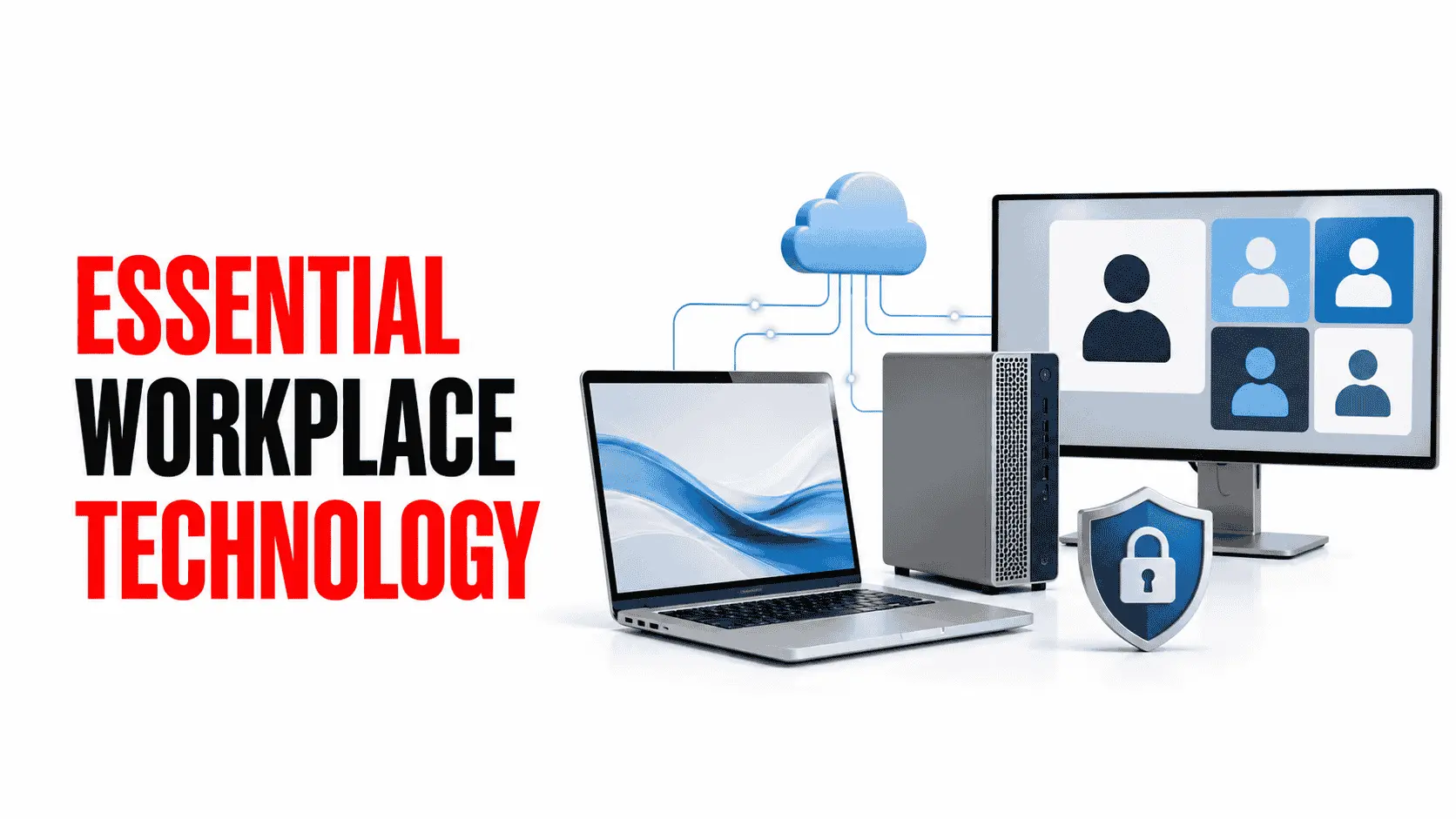
Patient devices are the visible part of a wider technical environment. Clinical workstations, integration engines, databases, network services, cloud platforms, and storage systems all influence how quickly information becomes available.
A workstation used only to view a browser-based dashboard may have modest requirements. A computer that also runs several clinical applications, displays multiple patient views, handles local device software, or performs data analysis needs more processing capacity and memory.
Adequate RAM allows macOS, EHR, monitoring dashboard, communication software, and security tools to run together without frequent use of slower disk-based virtual memory. Fast storage can improve application loading and local database access, although it cannot solve delays caused by a remote server or network connection.
The processor becomes more important when the workstation performs local analysis, image processing, encryption, or other computational work. A dedicated graphics processor is useful only when the selected software can use GPU acceleration. Installing a powerful GPU will not improve a monitoring dashboard that depends mainly on a slow database or overloaded network service.
Hardware decisions should follow the software vendor’s supported specifications and the organization’s approved configuration. Consumer performance tools may help identify an obvious imbalance in a general-purpose computer, but they cannot validate a clinical workstation or determine whether a monitoring system meets safety, security, and regulatory requirements.
The entire data path must be measured before hardware is replaced. If dashboard pages load slowly while workstation CPU and memory use remain low, the delay may come from the application server, database, API, or network. Upgrading the local computer would add cost without correcting the problem.
Overcoming Integration Challenges
Connected monitoring can improve visibility between clinical encounters, but it also creates technical and operational challenges. These problems should be addressed during planning rather than after deployment.
Addressing Compatibility Problems
Many healthcare organizations use older clinical systems that were not designed to receive frequent data from home devices. Proprietary formats, limited APIs, and unsupported software versions can make integration expensive or incomplete.
Standard interfaces can reduce friction, but they do not remove the need for testing. The device vendor, integration provider, EHR company, and healthcare organization must agree on authentication, patient matching, terminology, units, timestamps, and error handling.
Compatibility should be demonstrated with the exact device model, software version, and clinical environment involved in the planned deployment. A successful integration at another hospital does not guarantee identical results when infrastructure and workflow differ.
Managing Data Overload
More readings do not automatically lead to better decisions. Continuous monitoring can produce thousands of values for one patient, much of which may represent ordinary variation.
Clinical teams need dashboards that separate routine information from meaningful change. Trend summaries, filtering rules, exception reports, and patient-specific alerts can help reduce unnecessary review.
Different users also need different views. A clinician may require individual measurements and recent trends, while a program manager may need enrollment, adherence, transmission failure, response-time, and escalation reports. Presenting every user with all available data creates clutter rather than insight.
Maintaining Reliability
Reliability includes measurement accuracy, transmission success, system availability, and operational response. A device may work correctly while its reading fails to reach the clinical team because of a pairing, network, account, or integration problem.
Monitoring platforms should make these failures visible. Device status, last successful transmission, interface errors, queue delays, and unusual data patterns can help support teams distinguish a clinical event from a technical issue.
Organizations also need procedures for firmware updates, device recalls, lost equipment, battery replacement, account termination, and unsupported models. A current device inventory should record ownership, location, patient assignment, software version, and support status where appropriate.
Downtime planning is essential. Clinical teams must know how to work when a dashboard, interface, vendor service, or network connection is unavailable. The plan should identify alternative communication methods, documentation procedures, and rules for reconciling delayed readings after service returns.
Protecting Patient Information
Connected monitoring expands the number of places where protected health information may be processed or stored. These locations can include the device, patient phone, home gateway, vendor cloud, integration platform, clinical system, and support logs.
Access should follow job responsibilities. Staff should receive only the permissions required for their work, and access should be removed when responsibilities change. Systems should provide audit records that show who viewed, changed, exported, or transmitted information.
Vendor assessment should cover encryption, authentication, incident response, vulnerability management, data retention, subcontractors, and deletion procedures. Healthcare organizations must also determine which privacy, security, medical-device, and data-residency requirements apply in their jurisdictions.
Patient education remains part of security. Patients should know how to protect their accounts, identify legitimate support messages, update applications, and report a lost phone or device. Instructions should be clear enough to follow without technical expertise.
Balancing Automation With Clinical Judgment
Automation can organise information, identify trends, and bring urgent-looking results to a clinician’s attention. It cannot interpret every patient’s situation independently.
A single abnormal value may result from disease progression, medication, activity, incorrect technique, a loose sensor, or a transmission error. The correct response depends on symptoms, history, treatment, comorbidities, and the reliability of the reading.
Clinical decision-support rules should be validated for their intended population and reviewed after deployment. Teams should monitor missed events, false alerts, response times, and overrides. If an automated rule produces excessive noise or fails to identify meaningful changes, it should be corrected rather than accepted as an unavoidable limitation.
Clinicians should remain responsible for diagnosis and treatment decisions. Connected patient monitoring devices can provide timely information, but they should support professional judgment rather than replace it.
Conclusion
Connected patient monitoring devices can extend clinical visibility beyond appointments and hospital stays. Blood pressure monitors, cardiac equipment, glucose sensors, respiratory devices, and wearables can reveal useful patterns when their information is accurate, secure, and connected to a defined care process.
Effective monitoring depends on the complete environment around the device. Interoperability, patient matching, network reliability, alert design, workstation performance, cybersecurity, and staff responsibilities all influence whether a reading becomes useful clinical information.
Healthcare organizations should begin with the care objective and workflow, then select devices and infrastructure that support them. They should test the complete data path, define who reviews information, prepare for failures, and keep clinical judgment at the centre of every response. When these elements work together, connected monitoring can support more timely, coordinated, and informed care.