What Makes Long-Duration Energy Storage Different?
Long-duration energy storage addresses a different challenge from simply keeping electricity available during a brief interruption. It focuses on shifting substantial amounts of energy across longer periods, from extended overnight demand to multiple days of limited renewable generation. The distinction affects battery capacity, system design, charging strategies, and project economics. Understanding these differences helps households, businesses, and grid operators select storage that matches the actual duration of their energy needs rather than judging a system by power output alone.
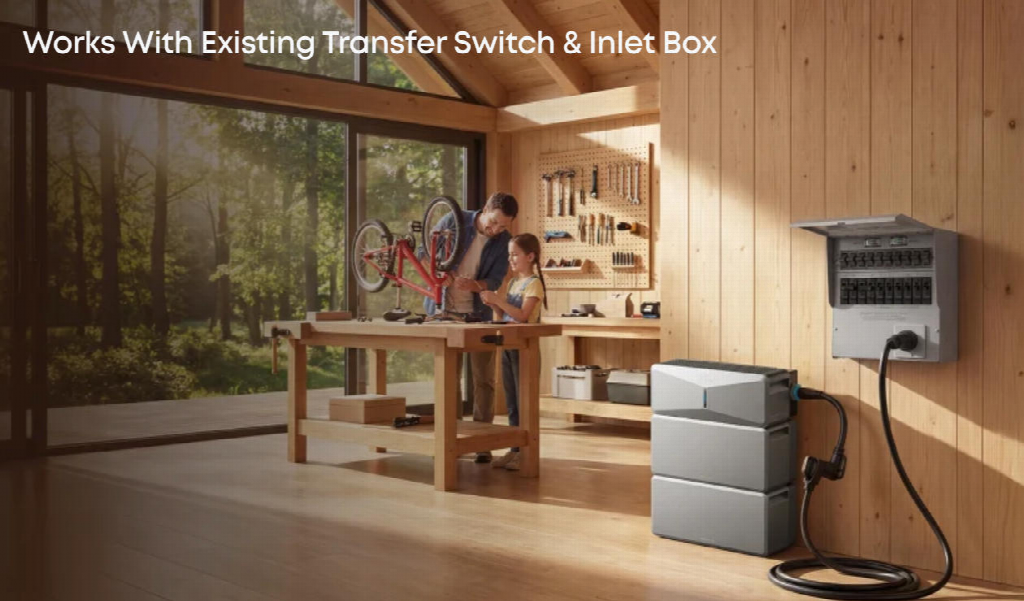
The Difference Between Power and Stored Energy
Duration Changes the Design Priorities
The defining feature of long-duration energy storage is how long a system can deliver useful power before it needs recharging. Two systems may provide the same rated output but sustain that output for very different periods because their stored energy differs. Power is measured in kilowatts (kW), while energy capacity is measured in kilowatt-hours (kWh). Dividing usable energy by the required load provides a starting estimate of runtime, although conversion losses, operating limits, and changing demand also affect the result.
A system designed to cover a brief peak may prioritize high output, while one intended to support essential services through an extended supply gap needs sufficient energy capacity. Duration therefore influences component sizing, operating strategy and the role storage plays within a wider electricity network.
From Short Interruptions to Extended Energy Gaps
Short-duration storage typically addresses brief outages, sudden changes in demand or periods when equipment needs additional power. Long-duration storage targets a different timescale, such as carrying renewable electricity from one part of the day into another or supporting supply through prolonged periods of low generation.
The required duration depends on the application rather than a single universal threshold. Grid planners may evaluate storage over several hours or longer, while a home may need enough reserve to cover an overnight outage. The important question is how long the system must sustain the intended load and when it will have another opportunity to recharge. This operating profile determines whether additional stored energy provides meaningful value.
Why Capacity Alone Does Not Tell the Full Story
A large battery does not automatically deliver long-duration performance in every situation. The load, inverter output, usable capacity, and charging opportunities all influence the time available. For example, a household drawing 2 kW continuously consumes approximately 16 kWh over eight hours, before accounting for system losses. If several high-power appliances operate at once, the system must also support their combined demand. This is why engineers evaluate both sustained output and energy capacity.
The Anker SOLIX E10 Whole-Home Backup illustrates the distinction: one E10 with two batteries provides 7.68 kW of continuous output and 10 kW of turbo output for up to 90 minutes. Its battery capacity can expand to 30 kWh per power module, allowing the system configuration to reflect different household requirements.
How Long-Duration Storage Supports Energy Planning
Technology Choices Follow the Required Timescale
Different storage technologies suit different operating conditions. Lithium iron phosphate (LFP) batteries store electricity electrochemically and suit applications that require responsive output and repeated charging cycles. Other approaches, including flow batteries, thermal storage and pumped hydropower, serve different combinations of duration, scale, location and operating requirements.
No single technology is ideal for every project. Developers consider discharge duration, round-trip efficiency, cycle life, land availability, installation conditions and total system cost. They also assess how frequently the system will cycle and how quickly it must respond to changing demand. The best choice emerges from the service the project needs to deliver, not simply from the technology label or maximum capacity listed on a specification sheet.
Renewable Energy Needs a Matching Storage Strategy
Solar and wind generation vary with weather and time. Storage can shift available electricity to periods when generation falls, or demand rises, but the amount of stored energy must match the expected gap. A system intended to move afternoon solar production into evening use follows a different operating pattern from one designed to cover several days of poor weather.
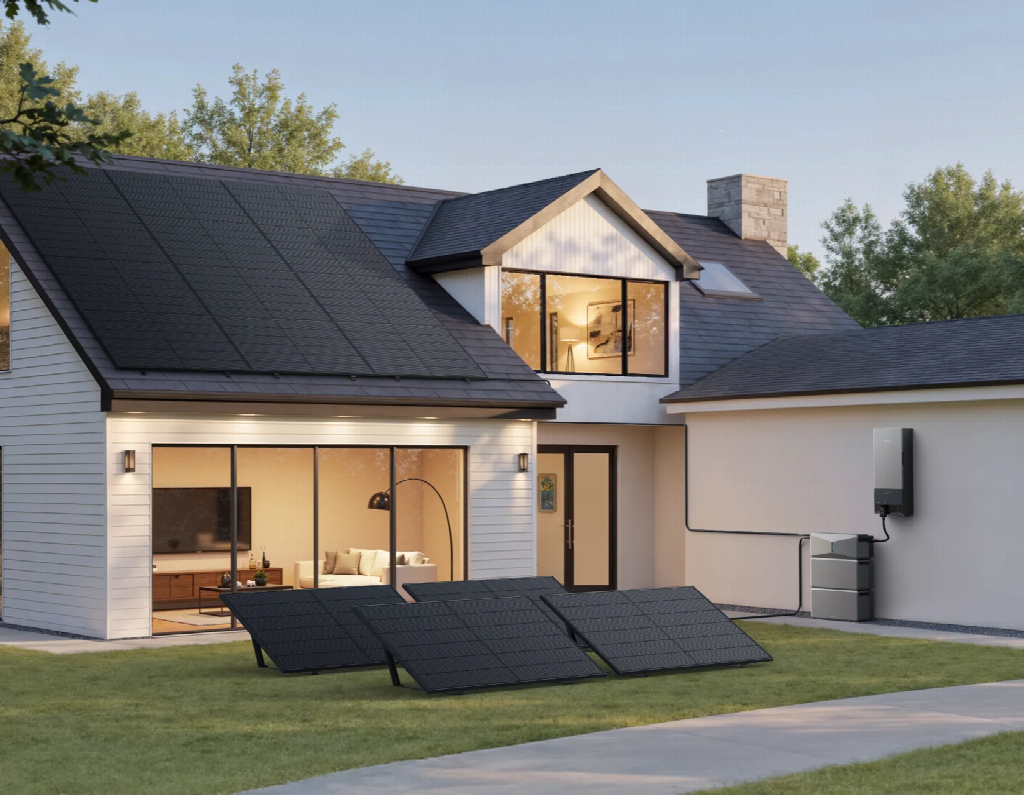
The charging source matters too. The Anker SOLIX E10 supports up to 9 kW of solar input per E10 unit through dual MPPT channels. Its battery capacity can expand from 6 kWh to 30 kWh per unit, with up to 90 kWh across three E10 units and a Power Dock. These specifications illustrate how modular energy storage solutions can combine solar charging with adjustable capacity, although actual backup duration depends on consumption and available generation.
Economics Depend on the Service Delivered
Long-duration storage should be evaluated against the cost and value of the electricity service it provides. Relevant factors include equipment and installation costs, charging electricity, maintenance, efficiency losses, expected operating life, and the financial impact of an interruption. A grid project may value stored energy that reduces reliance on expensive peak-time generation.
A household may place greater value on preserving refrigeration, communications or heating during an extended outage. These benefits require different calculations. Buyers should model realistic demand profiles, likely outage duration, and opportunities to recharge rather than relying on a headline runtime estimate. They should also account for system expansion and future electricity needs. A carefully sized installation may deliver more practical value than one selected solely for its maximum capacity.
Conclusion
Long-duration energy storage stands apart through the length of time it must sustain useful electricity delivery. That requirement shapes capacity, technology selection, charging plans, and financial evaluation. Power output determines which loads a system can operate, while stored energy determines how long those loads can continue running. Renewable generation, local demand and recharge opportunities complete the picture. By evaluating these factors together, households, businesses, and grid planners can choose storage configurations that fit their operating goals and provide meaningful value over time.